Welcome to Part 15 of our list of the year’s most infectious extreme metal songs. In each installment, I’ve been posting at least two songs that made the cut. For more details about what this list is all about and how it was compiled, read the introductory post via this link. To see the selections that preceded the three I’m announcing today, click here.
After a 10-day hiatus, I’m resuming the roll-out of this list. I’ve identified 29 songs so far, with X left to go — “X” standing for a number that will be revealed to me once I figure out what else to pick from my still-lengthy list of candidates.
I’ve grouped together today’s three songs because they represent the use of black metal musical elements in songs that have only a distant kinship to the music of the first and second waves. They represent a branching out of black metal that has enriched the traditions and given them new life, even if these new blooms have opened far from the roots.
ENSLAVED
Andy Synn reviewed this iconic band’s 2012 album RIITIIR for us here, showering it with praise, and it has appeared on many of our 2012 year-end lists. Guest writer Fredrik Huldtgren of the Swedish band Canopy summed it up as follows in naming it to his list:

We were a bit light on content yesterday, but we’ll be making up for that today — and this post wasn’t even part of the planned line-up. In one of those happy confluences of events, the morning brought three new videos that I’m really digging. Two of them are from young bands who’ve already become favorites, and the third is a bright new discovery: Wildernessking (South Africa), Pray For Locust (Sweden), and Moth (U.S.).
WILDERNESSKING
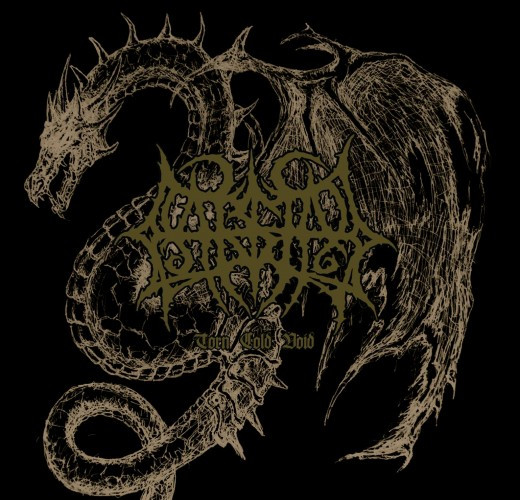
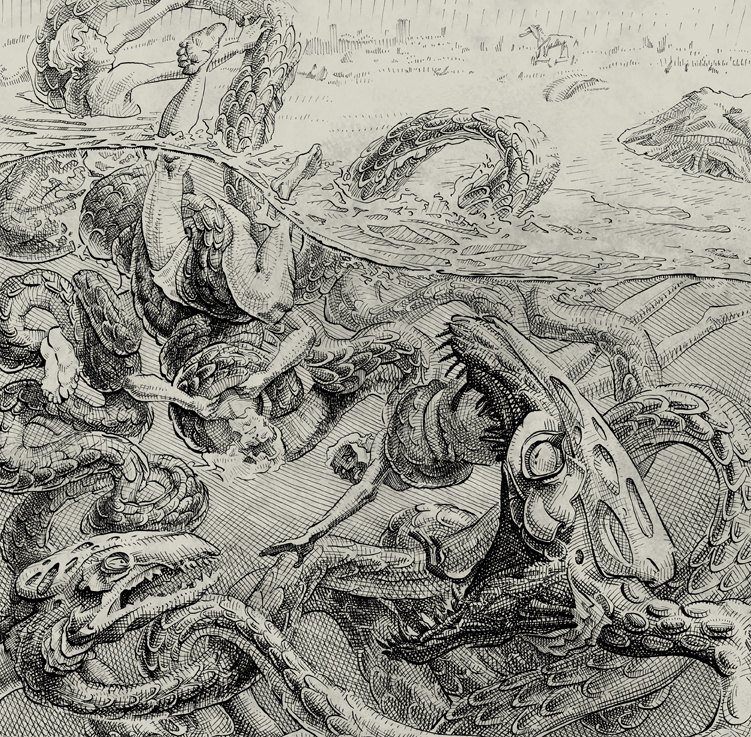
I suppose there might be a few things I haven’t yet done to promote this band’s music. I haven’t tried sky-writing or a flashing billboard in Times Square. I suppose I could put their faces on milk cartons, except they’re far from lost. To the contrary, in a relatively short time they’ve turned out some amazingly mature, completely enthralling music. First came their 2012 debut album, The Writing of Gods In the Sand (featuring the killer album art you see above by Reuben Sawyer). To steal words from my review, it lashed together styles from a variety of genres (including black metal, post-metal, and Enslaved-style prog) to create “a uniquely effective expression of power and emotion, a blending of light and dark, soft and hard, beauty and voraciousness.”
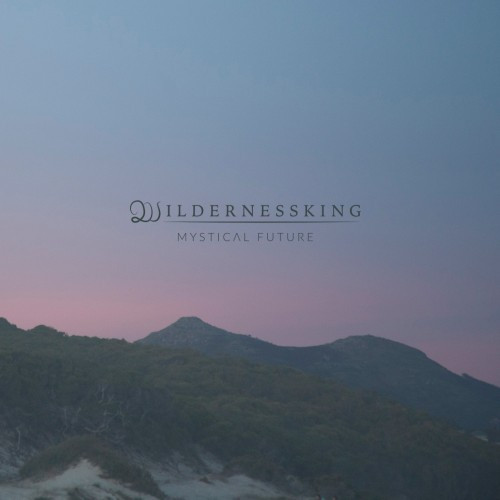
Then came a follow-on EP, …And the Night Swept Us Away (reviewed here), which I perceived as one long, panoramic song divided into three parts, not because it was written that way but because it worked that way as a musical journey.
Today the band provided me with yet another excuse to pimp them by releasing an official music video for “Rubicon”, one of the tracks from the album, which marks a turning point in the conceptual journey that the album portrays. It’s a live performance (interspersed with related clips) filmed at their record release show at the Kimberly Hotel on April 20. Have a look and a listen right after the jump . . . after which I’ve got some more news about the band’s activities.

The genre term “Cascadian black metal”, most often used with reference to bands such as Wolves in the Throne Room and Agalloch, seems to be gaining in popularity. Some purists don’t like it because it’s a geographic reference instead of a description of the music and because it’s both over-inclusive and under-inclusive, i.e., there are black metal bands from “Cascadia” who don’t sound like WITTR or Agalloch and don’t share their philosophical perspective, and there are bands outside Cascadia who do.
Personally, I don’t think about this debate too much, despite the fact that I live in “Cascadia”. Consciously or not, I’m starting to think of a certain style of black metal as “Cascadian”, regardless of where the band is located and regardless of whether they have a nature-centric philosophy, just because it’s a convenient shorthand for a certain kind of sound.
To me, it stands for a style of music that incorporates not only traditional black metal instrumentation and vocals but also melodic, “post metal” ambience, prog-metal instrumentals, or even stoner-type shoe-gazing jams. So, for example, I think of San Francisco’s deafheaven as playing Cascadian black metal, even though they’re not from the Pacific Northwest and probably wouldn’t label themselves that way.
The music of Wildernessking reminds me of deafheaven’s music and, to a lesser extent, that of WITTR and Agalloch — and I’d throw in Krallice, Cormorant, and Enslaved for good measure. But Wildernessking isn’t from anywhere remotely near Cascadia. They’re from Cape Town, South Africa, and they’re off to a brilliant start.