

(Andy Synn has thoughts to share about the new album from In The Company of Serpents, out Friday)
This genre that we call “Heavy Metal” (including its various more “extreme” and esoteric sub-genres) is a style of music often acutely aware of its own history and legacy (sometimes to its detriment… but that’s a whole other discussion we won’t be having here).
That doesn’t mean that other artists other genres aren’t just as knowledgeable about their past by any means, it’s just worth pointing out that – in my experience, at least – most Metal bands, and most Metal fans, tend to have a deep appreciation for the acts who went before them and paved the way.
What’s less-commonly talked about, however, is the variety of inspirations these self-same seminal names (you know the ones) took from all sorts of other different styles of music – since “Heavy Metal” itself had, of course, yet to be invented (and there’s still some discussion to this day about who really did it “first”) – and the ongoing role these ancestral, pre- or proto-Metal, influences continue to have on the genre to this day.
But this is something you can’t help but consider when listening to the latest album of sludgy, doom-laced grooves and moody, Americana-tinged melodies from In The Company of Serpents.
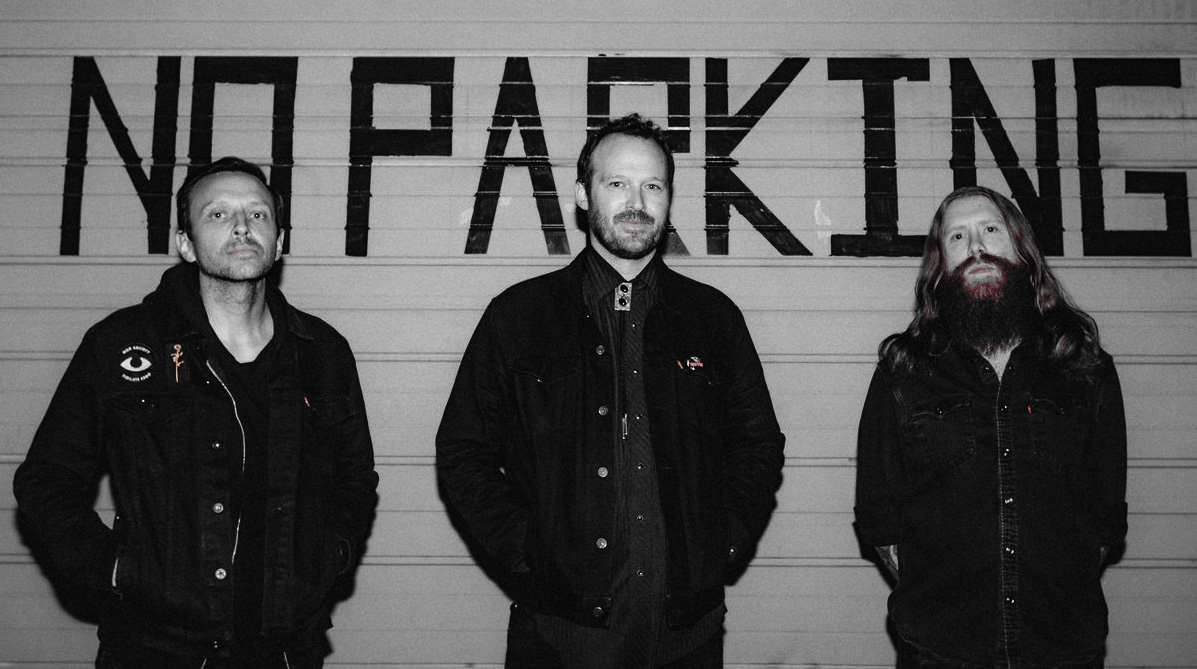
After all, this is a band who have just as frequently cited the likes of Leonard Cohen (from whom the album’s title is taken), Neil Young, and Ennio Morricone as inspirations as they have acknowledged the influence of Neurosis, Yob, and Electric Wizard… bits and pieces of whom the keen-eared listener should be able to discern echoing down through the years to resurface, recombined, in the gloomy stomp ‘n’ twang and doomy sturm und drang of tracks like “A Patchwork Art” and “Cinders”.
But it’s also important, if we’re considering the impact and importance of history, to be aware of the band’s own past as well – especially in regards to the last five years which found guitarist/vocalist Grant Netzorg engrossed in an ongoing battle with addiction – and how this has influenced their approach on A Crack In Everything, which takes their long-running thematic focus on “light”, in its more esoteric and existential form(s), and shifts it towards a more raw and personal perspective… examining how the light gets in, even in the darkest of times.
As such, while there’s an undeniable sense of weight and thick, almost oppressive, presence to songs such “Endless Well” and “Ghosts on the Periphery” there’s also an undercurrent of something more subtle – an unexpected lightness of being, perhaps, – which feels like the sloughing off of old scars and the beginnings, at least, of some long-sought catharsis manifesting in moments like the melancholy clean vocals of the former and the sombre atmospherics of the latter.
And it’s this tension between the two sides of the band’s sound – as epitomised by the groaning, doom-laden momentum of “Buzzard Logic” on one hand and the soothing, introspective acoustics of “Until Death Darkens Our Door” on the other – which simultaneously drives the album forward but also, occasionally, feels as though it’s holding the trio back from taking that next step and finally and fully giving in to their burgeoning melodic and atmospheric impulses which here seem slightly self-consciously restrained… yet desperate to escape.
But perhaps that’s something for the future – after all, once those cracks in your armour have opened up and the light has begun to seep in it’s only a matter of time before it begins to shine back out again.