
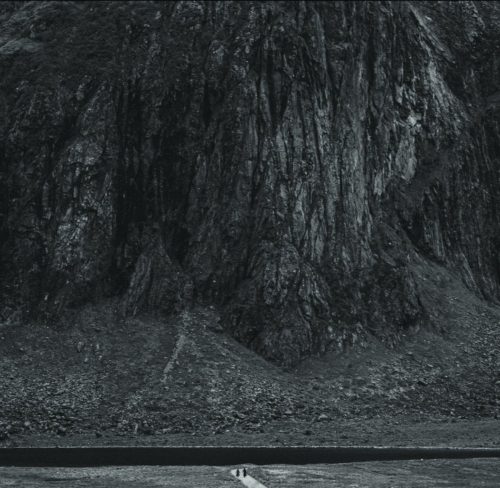
(Andy Synn contemplates chaos, and genre tags, with the new album from Defacement)
The genre tag “Post-” – as in “Post-Rock”, “Post-Hardcore”, “Post-Black Metal”, etc – is one of the most maligned (and often misunderstood) terms in music (according to some of the comments I’ve seen, anyway).
The thing is, while the initial idea behind “Post-Rock” was to take the fundamental elements of the genre – the distorted, crunchy guitars, the heavy, hooky rhythms, the bombastic, larger-than-life melodies – and separate them from their traditional structures and conventional constraints, allowing for more expansion, more experimentation, and more dynamic depth (especially in terms of pushing the classic “quiet/loud” dynamic even further) that’s often not how the “Post-” prefix has come to be used in recent years.
Let’s face it, the term “Post-Hardcore” is often just as synonymous with “Melodic Hardcore”, while a lot of “Post-Black Metal” artists are just Black Metal bands stealing directly from the tropes of “Post-Rock” (or vice-versa), and too many people in general just seem to use the term “Post-” when they actually mean something like “Progressive”, “Atmospheric”, or “Avant-Garde” (and we can argue about what those terms mean another time).
So perhaps we need to think of another way to talk about a band like Defacement – who have been wilfully and unapologetically deviating from the formula since 2018 – that properly reflects their ongoing attempts to deconstruct extremity in order to let something new, or at least something else, fill the gaps.
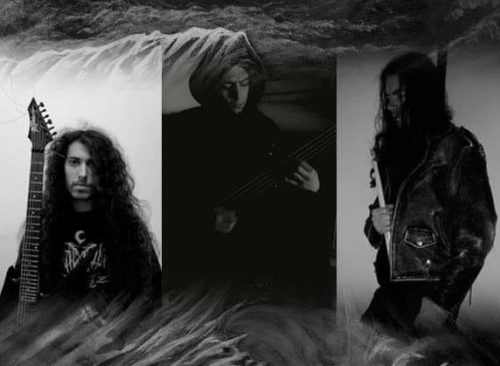
Now I’m sure of you are already thinking (and possibly furiously typing) “Andy, you idiot, we already have a term for what these guys do… it’s called “Dissonant Death Metal” (aka “Disso-Death”)”.
And while you’re not entirely wrong – there are a number of bands under the ever-expanding umbrella of “Dissonant Death Metal” whose use of texture and tonality and non-traditional structures could just as easily be referred to as “Post-Death Metal” – the issue I have with that statement is that I’ve already seen the term “Disso-Death” applied to a bunch of different Tech and/or Prog Death bands who just happen to use a few more discordant notes and/or uncommon scales than usual, which is just kind of repeating the same issue.
Not that Defacement – four albums into their career now, and somehow just as nasty, and just as strangely compelling, as ever – probably care all that much about the precise label attached to their sound, it’s just that I often find it helps to set the right expectations for any potential listener before diving into the music fully.
That being said, the band’s upcoming new album (out this Friday) both fulfils and defies your expectations in equal measure, picking up on the threads of unsettling anti-melody which ran through last year’s Duality (which you can read more about here) and weaving them even more intricately and intimately into a series of compositions – “songs” just doesn’t seem like the right word – whose shapeless spontaneity and formless ferocity makes them difficult to properly grasp on first… or fourth… listen.
That’s not to say there isn’t a method to the madness however, and it’s the more contemplative moments of calm and restraint – such as the soothing balm of glittering melodic notes and glimmering, atmospheric ambience which marks the mid-point of “Portrait” or the sublime slow-burn second-half of “Unexplainable” – which not only serve as a welcome respite from all the chaos and calamity surrounding them (there are times here where it feels like Defacement are cutting loose like never before) but also work as an unexpected anchor point around which all this turmoil and tumult can revolve.
And, to be clear, these anchor points are a vital necessity, as the band largely eschew even the remotest hint of standard song-structure – while not totally linear, these tracks totally reject the normal “verse, pre-chorus, chorus” pattern, and instead rely on more of a recursive mode of delivery which reaches back to reference and repurpose elements of previous passages to keep the composition moving, rather than simply relying on rote repetition – making stand-out moments such as the unexpectedly heart-wrenching solo section of “Worthless” or the haunting harmonic climax of “Unrecognised” even more important as a way of giving the listener something to hang on to.
On an album-wide scale this even extends to the use of a handful of mood-enhancing interludes – such as the synaesthetic shimmer of “Forlorn” and the brooding introspection of “Clouding” (which I’m almost tempted to suggest could/should have been the album’s epilogue… but then we’d have been robbed of the eerily beautiful interweaving of angular, abrasive distortion and immersive, introverted ambience that is “Absent”) – which play a similar role in the grand scheme of things, filling out the negative space in the album in such a way that the moments between the violence are what actually holds it all together.
I could be wrong, of course – I’ve been listening to this album a lot over the last couple of months and I still don’t think I fully have a handle on it, though I’ve done my best to at least provide a little bit of insight that will hopefully prove helpful to other listeners going forwards – but you won’t have to wait long to find out for yourselves, as Doomed is out this Friday.
Until then, however… you’ll just have to take my word for it, and prepare yourselves accordingly!