
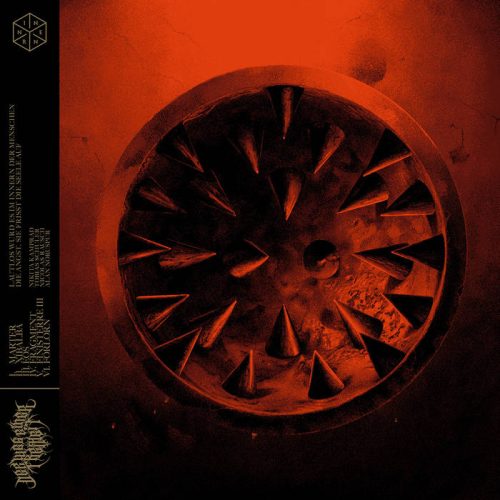
(Andy Synn takes a look deep inside the new album from Der Weg Einer Freiheit, out Friday)
I recently saw someone joking online – although, truthfully, it was more of a wry observation – that “true Black Metal is fuelled by ennui“.
And although this statement was slightly tongue-in-cheek (made in response to one of those oh-so-serious “Black Metal is only for those filled with true evil and hate” types) well… there might just be something to it.
After all, we’re talking about a genre which – for all the subsequent mythologising around its early days – was started by a bunch of angry, angsty teenagers chafing against the rigid strictures of religious morality and staid suburban life that left them with no real outlet for their emotions, or any real direction for the future… and if that’s not a perfect recipe for “listlessness and dissatisfaction arising from a lack of occupation or excitement” then I don’t know what is.
And while some may have questioned how “true” Der Weg Einer Freiheit‘s particular brand of intensely introspective, blast-driven Black Metal actually is… there’s no question that when it comes to exploring and expressing this internal strife and struggle (heck, their new album literally translates as “Inside”) they’ve never been afraid to take a stark, unflinching look at their own inner workings.
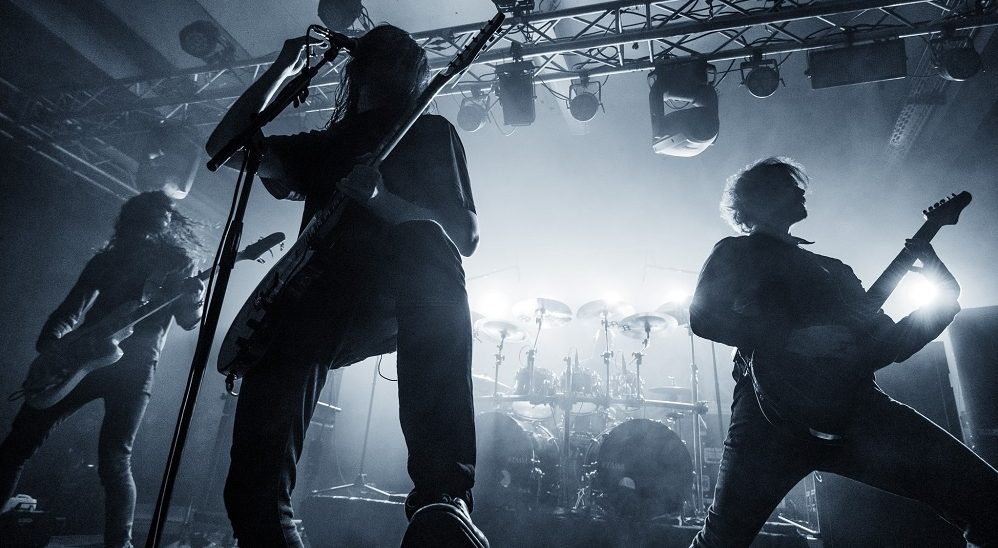
Now, as if that opening wasn’t controversial enough (I can practically hear the pitchforks being sharpened) I’ll also say this… Innern is the band’s best album since 2015’s Stellar.
Don’t get me wrong, I really liked Finisterre as well (even if it hasn’t held my attention quite as much as I hoped it would), but thought that Noktvrn, despite a few stand-out moments, was too scatter-brained and unfocussed to really showcase the band at their best.
But listening to Innern actually helps put Noktvrn in a new light, recontextualising it as a necessary intermediate step between who the band were and who they have become.
In particular, the moodier textures – the gloomy, glowing synthscapes and ambient atmospherics, the occasional poignant passage of crooning clean vocals (such as can be heard during “Fragment”, which shares some similar sonic sensibilities with the more melodic and melancholic moments of the new Abigail Williams) – feel both more fleshed out and more intricately integrated into the warp and weft of the music.
This is especially obvious during the stellar (pun intended) opening pairing of “Marter” and “Xibalba”, with the brooding, richly-textured slow-burn opening of the former eventually giving way to a veritable torrent of mercilessly melodic, multi-layered guitars and hammering, hail-storm drums (whose ferocious delivery is broken up by a deep, dark, ambient interlude just before the song’s cathartic climax), while the electrifying energy and keening atmospherics of the latter balance seething intensity and sombre introspection (especially during the song’s hauntingly desolate denouement).
That’s not to say that the group have “gone soft” as they head into their sixteenth year as a band – both the preceding tracks positively crackle with just as much vim and vigour (and venom) as anything from their earlier years, in spite of their greater emphasis on texture and dynamic, while “Eos” (once it gets going) arguably hits even harder than either of its already punishing predecessors – but it’s clear that they’re now fully engaged in a process of sonic and spiritual evolution that just might be the start of a whole new direction for their sound.
Nowhere is this more apparent, and more evocative, than during the album’s poignant, post-metallic finale “Forlorn”, whose scintillating blend of simmering tension and seething emotion (all drenched in layers of shimmering, shivering synths) recalls – to my ears, at least – the very best of Köld-era Sólstafir and suggests that maybe, just maybe, Der Weg Einer Freiheit might be primed for a similar step beyond the boundaries of Black Metal sooner, rather than later.