
(Andy Synn closes out his week here at NCS with a name that hopefully some of you will recognise)
The term “Mandela Effect” refers to a mistaken but widely-held belief – originally that Nelson Mandela died in prison, but also more generally applied to such assertions as “the girl in Moonraker definitely had braces” (she didn’t) or “the Fruit of the Loom logo used to have a cornucopia in it” (nope) – that has entered the public consciousness, blurring the lines between what’s actually true and what we remember as being true.
Sure, some of these instances have a relatively prosaic explanation (it’s been shown several times that a run of knock-off or mis-printed “Fruit of the Loom” shirts did in fact use the alternate logo, but it was never officially put into circulation) but others have been ascribed to anything from “mass psy-op” to “glitches in the matrix”.
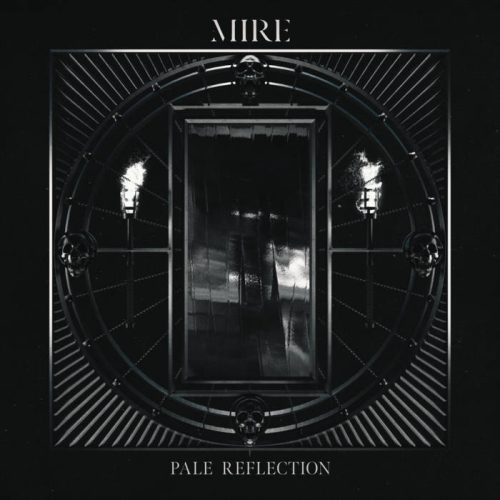
Why am I saying all this? Well, Colorado-based groovemongers Mire have their own Mandela Effect going on, because depending on how you remember things Pale Reflection is either their second or their third album.
The reason for this, of course, is that their “first” album, Shed, was taken offline not long after its release – Metal Archives still has it listed on the band’s profile page, and my own review is still online, but otherwise evidence of its existence is relatively sparse (though it can, with a bit of searching, still be tracked down on Spotify) – and its six songs re-recorded as part of the band’s real debut, A New Found Rain, making Pale Reflection actually the band’s first album of totally new material since 2018.
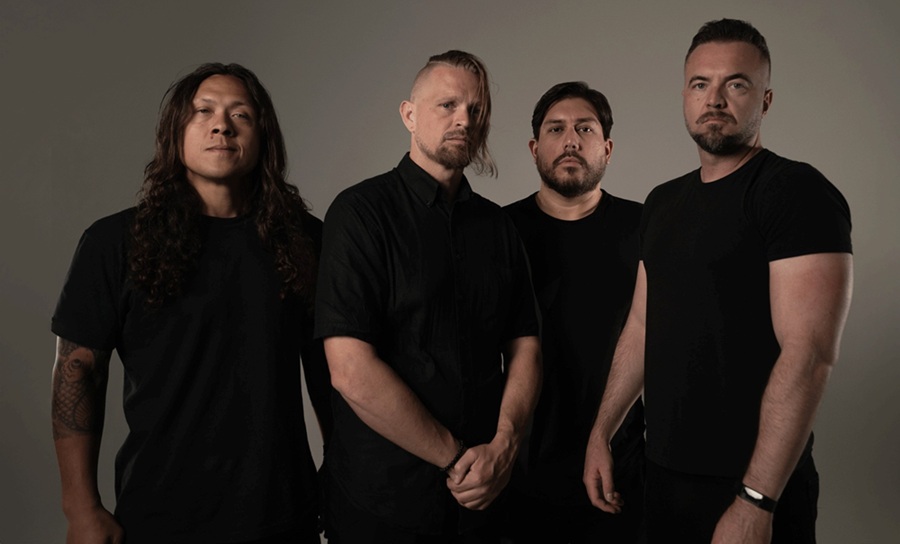
Thankfully, for those of you us familiar with the band’s previous works (and if you’re not then this is as good a jumping on point at any) the general formula… actually, scratch that, recipe is a better word, with fewer negative connotations… for their sound hasn’t changed all that much, combining subtly proggy, Allegaeon-esque fretwork (“Pale Reflection”) and tightly-wound, Gojira-djacent grooves (“Cultures of Violence”) with a sense of melodic, anthemic, Metalcore-influenced songwriting (“The Master”) reminiscent of God Forbid at their best.
In some ways it’s a relatively simple – but undeniably effective – combination, but what sets the band apart from some of the other acts operating in a similarly genre non-specific space is the plethora of little (and not so little) moments that pepper each and every track, from the sizzling solos (courtesy of ex-Allegaeon axeman Ryan Glisan) that practically leap out of the speakers during the likes of “Pale Reflection” and “Where I Belong”, to the riveting rhythmic hooks (aided and abetted by a rich, clanking bass tone) that give songs such as the ultra-intense “Significance Plague” and aforementioned early highlight “Cultures of Violence” a sense of densely packed power that wouldn’t sound out of place alongside the best moments of Magma or Fortitude.
It also helps, of course, that the group aren’t afraid of a catchy chorus or two either – whether cleanly sung (“Great Pain”), gravelly growled (“Human Condition”) or some combination of the two (“Which One Am I”) – and while this probably won’t do them many favours with the “anything less heavy than Morbid Angel is basically Pop music” crowd (even though Mire can be plenty heavy when they want to be), anyone who considers themselves a fan of the likes of Black Crown Initiate, Becoming the Archetype, or any of the other bands already mentioned above, will probably be much more amenable to what the band have to offer here.
And just in case you were worried, considering all the names being dropped throughout this review, that Mire are simply retreading familiar ground here (including, potentially, ground that they’ve already trodden on their debut album) the last two tracks – particularly cathartic closer “Send Us” – make it clear that Pale Reflection is more than just… well… a pale reflection of other artists, displaying an expanded sonic palette (incorporating an extra layer of moody melodic texture and brooding atmosphere) and an increased creative confidence which suggests that the best is yet to come from these underrated underground underdogs.
I want to thank you guys very much for taking the time to go through the album. It means a lot to me, and us, and I’m very happy that its vibrations are being felt. -B