
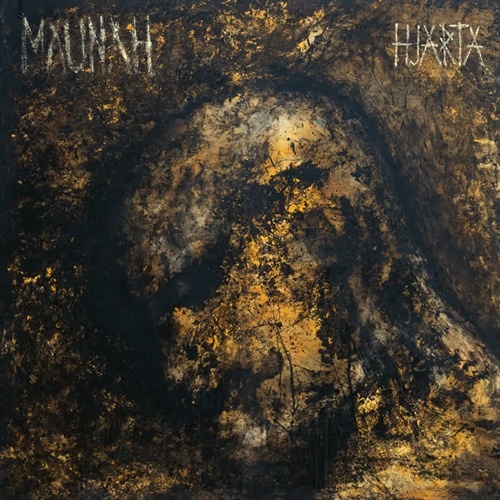
(Andy Synn delivers another justified “exception to the rule” courtesy of Denmark’s Maunah)
I was today years old (well, actually, by the time you’re reading this that won’t actually be true any more, but just go with it) when I discovered that NCS has an honest-to-god Wikipedia entry.
Which I guess means we’re finally “a big deal” and will need to start charging you all for our services.
That’s how this works, right?
Now, in all seriousness it was legitimately interesting to see what got mentioned, and what didn’t (and suggest a few updates to the text), with regards to the site, our history, and our ethos.
In particular, the original version of the page – now updated – failed to mention the fact that the term “no clean singing” is very much an in-joke these days, rather than an iron-clad dictum, especially since we make so many “exceptions to the rule” on an almost daily basis.
And one of those exceptions we’re so happy to make these days is the debut album from Danish progressive doom-dealers Maunah.
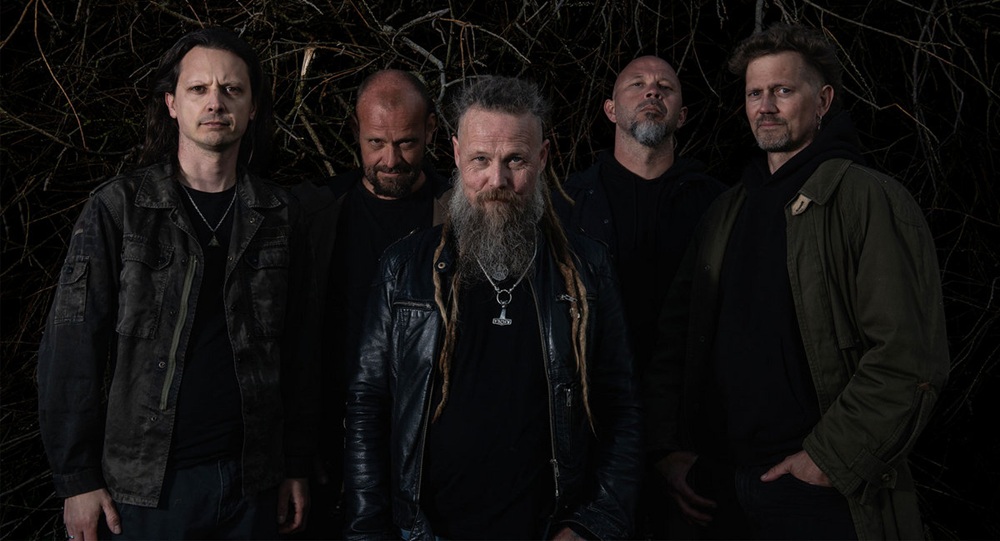
On the surface describing the sound of Hjarta is surprisingly simple, and can be summed up with the following questions.
Do you like Vertebrae-era Enslaved? And do you like the moodiest moments of post-Black Gives Way to Blue period Alice In Chains?
Then spin up opulent opening track “Heimaland” and prepare to discover your new favourite band (if you didn’t already discover them on last year’s EP of the same name).
Now, is the above description a little simplistic and/or reductive? Sure. But is it also pretty accurate? Also yes.
That doesn’t mean that Maunah don’t have more than that to offer – indeed, it’s the subtleties, and not the more superficial similarities (pleasing to the ear though they may be) which really make this album – it’s just a succinct way of letting you, the listener, know in advance what sort of thing to expect.
And while the drifting, dream-like Enslaved-isms and grungy, AiC-esque glamour which pervade tracks like “Solin Vaugna” – which finds the group exploring a series of minimalist ambient textures as it slowly builds towards a commanding crescendo – and the mesmerisingly melodic “Theinajau” are largely undeniable (singer Søren Sol Koldsen-Zederkof channelling some major Staley/DuVall vibes on the latter in particular), the group are also careful to inject just enough of their own ideas and identity into the mix to keep the formula feeling fresh.
This mostly takes the form of some subtle, folk-ish flavours – the whispering flute(?) at the beginning of the aforementioned “Solin Vaugna”, for example, gives the song an almost Negură Bunget-esque vibe at first – and a hefty helping of doomy darkness (especially during the album’s second half), with the brooding slow-burn of “Saivør” straddling the line between Doom and Post Metal, and the melancholy elegance and eloquence of “Vætna” even drawing a few comparisons to Opeth at their gloomiest.
True, there are a handful of potential criticisms which listeners might find off-putting – the fact that three of these tracks already appeared on last year’s Heimaland EP, for example, or the occasional sense that some of these songs might be a little too structurally/dynamically similar to one another – and the knowledge that the vocals don’t actually use any words/lyrics, but rather act just like another instrument, focussing on tone, melody, and harmony over direct communiation, could be a deal-breaker for some (though, hey, it worked for John Tardy).
But even these minor concerns can’t shake the sense that Maunah might just be onto something special here – with the poignant-yet-powerful title-track being perhaps the band’s most potent expression of their distinctive Enslaved/Opeth/Alice in Chains amalgam – and I can only hope that we get to hear even more, and even better, music from these grizzled young veterans sooner rather than later!