
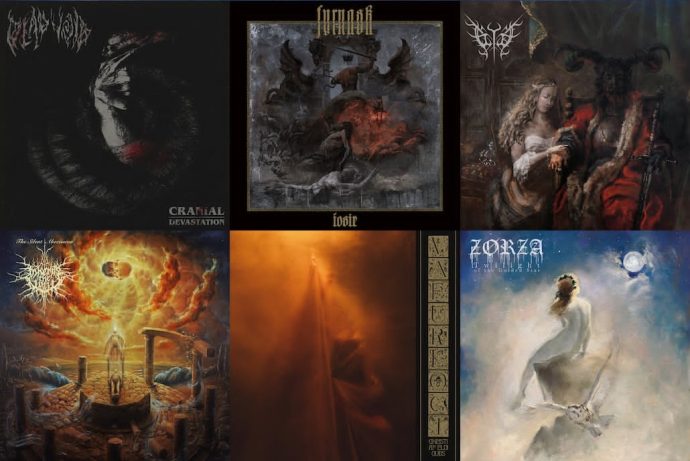
(We welcome back Daniel Barkasi with another collection of reviews and recommendations of albums released in the month just ended, this time June 2026.)
The summer solstice came on June 21, and it’s been a wild ride so far in 2026. New house in a new state, new baby horse (Ezri is doing awesome). What’s also new – for me, anyway – is not being cooked alive by the temperature at this point in the year. It has been a comforting 70 – 75°F (around 21– 24°C) for a lot of the time here in the WV mountains. Then there’s Florida, where the real feel temperature has been as high as a sweat-farming 110°F (a hair over 43°C).
I used a past tense in describing the amazing weather we were having, but alas, a taste of Florida has arrived, with those same boiling conditions. Talk about perspiration soup. I miss some things about the home of the infamous Florida man, but not that. With that, it’s been a regular refreshing of cold water for all of the outdoor animals, as well as shearing the sheep – which was quite the ordeal, but absolutely necessary to prepare.
At the beginning of June, we also got to attend an event a little different from music, but with a connection for many who enjoy this sort of music – a horror convention.
We’re no stranger to horror cons and a general love of horror films, but this one was personally extra special and a bit bittersweet. The fundamental and legendary Dawn of the Dead is the major reason I’m such a horror connoisseur in the first place, being introduced to that and Night of the Living Dead by my Grandad at a likely too young of an age – he always knew what I’d like. Growing up in the Pittsburgh area, these and the many George A. Romero films always meant something more, due to being created throughout the region, involving many locals to help bring them to life. Dawn is particularly meaningful, not only because it was my first horror flick, but where it was filmed – the Monroeville Mall. I grew up in said town, under a ten-minute drive from the famed mall, which was the biggest one in the United States at a time.
The demise of the shopping mall is a fascinating sociological study, and this one in particular, resilient as it has been, was purchased by Walmart, with a demolition of the property increasingly likely. Every year, the Living Dead Weekend occurs within the mall, and this year was a celebration of all things Dawn of the Dead, boasting the largest cast reunion ever to occur.
It was also advertised as potentially the last one to happen there – since, an October show has been confirmed, as final plans for the location are murky and unconfirmed for now – and it was a wonderful event that meant a lot to yours truly. Many childhood memories are wrapped up in that mall, so the idea of it not being there any longer is strange, to say the least. There’s a museum also located in the mall that you can go to during operating hours, and if you’re a fan and around that area, we highly recommend checking it out, as there are a ton of props and memorabilia to see. If it was my last time there, it was a fitting core memory that’ll stick with me.
For what I dug musically in June, my Forsmán adulation has already been made known, but there are a number of others to call out. Converge released Hum of Hurt, their second album this year, and a fitting counterbalance to Love is Not Enough. Horn’s Apokalyps 1618 whipped up a different and ambitious view on black metal, Stormkeep and Lumen Ad Mortem gave contrasting but comparatively poignant blackened majesty, Arrogant Destruktor brought muscular, thumping black metal, and Astriferous hacked us up with razor-sharp death metal riffage.
On other wavelengths, there was plenty to wade through – Fires In The Distance brought the melancholy, Junius returned with a hook-filled effort that was their best since Reports from the Threshold of Death, and Speedslut spit out rip-roaring speed metal that pumps adrenaline for sport. Even the short players got in on the fun – Kybalion and Diabolic Oath especially.
Obviously, business definitely picked up in June, to quote Jim Ross, and the following represent the albums that stood out most starkly. Hope you find something that tickles the old fancy.
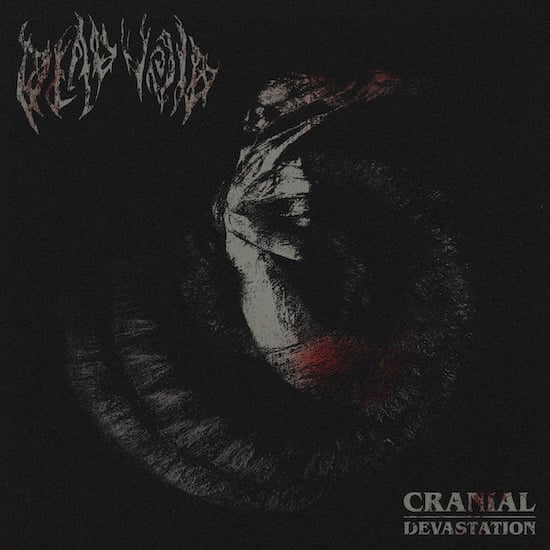
Dead Void – Cranial Devastation
Release Date: June 6, 2026
Asphyxiating deathly doom to crush your body and spirit is how we begin, with the egregiously heavy Dead Void being the providers of such a melee. Their 2022 debut album Volatile Forms was a well-assembled sledgehammer of an album that left a crater-like dent, and their much anticipated next step Cranial Devastation bluntly states their intent, as the duo deliver with gruesome results.
If a soundtrack to a complete and total evisceration were required, opening number “Regurgitation of Ancient Manifestations” would be up for the gig. No restraint is detected in the plodding, seismic reverberations given from the first second, as Dead Void choose an extremely slow, nearly funeral doom pacing, but in a much weightier and to-the-point formulation, before suddenly turning the afterburners up to flash their death side. No frills detected; just a merciless bludgeoning of thick riffs, meaty rhythms, and booming vocals that cut to the bone.
Serious grooves ooze out of the gruesome “Isolation’s Hold” to give an Autopsy meets Krypts vibe to plunge further into the muck. Meanwhile, “Phantosmial Stench of Decay” brings thoughts of Asphyx in the enormous, nasty riffage department, propelled by slight tempo changes to rev the engine when a splash of ignition is needed to hammer their gritty point home.
The title track also is the longest at just under ten minutes, equally being the most diverse cut, featuring gobs of fuzz to near drone levels of malevolence early, but always flaunting purposeful progressions as the song evolves into increasingly frenetic, tense passages, before smoothly leaning into their doom core. All key sonic and compositional attributes that raise the record to loftier heights. “Jeg kan ikke flygte fra mig selv” completes the surprisingly compact sub-35 minute release via a stomping march with fleshy rhythm guitars as a defining feature, but with precise and booming drum and bass combinations being elemental and looming large both here and on Cranial Devastation in its entirety.
Dead Void’s squalid, bulky framework is exactly what these ears crave when it comes to the uglier side of the death/doom spectrum. The sound on Cranial Devastation is as daunting and repugnant as it should be, and the record as a whole is decisively mean with a plethora of replayability. Enjoy your dirt-caked drubbing.
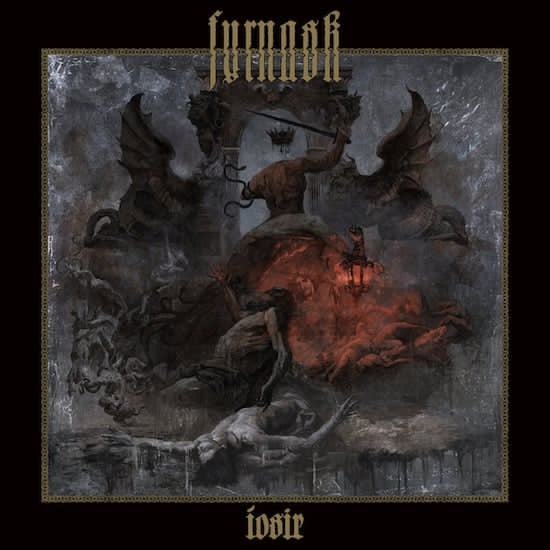
Fyrnask – Íosir
Release Date: June 12, 2026
If you’re seeking overwhelming, ceremonial, and enveloping black metal, look no further than Fyrnask. A band whose sound consistently invokes the feeling of an incantation, though the resultant has often differed, from second wave forward to the more recent mystical, wide-ranging creations. 2021’s VII: Kenoma is by a distance the most experimental, breaking out into a wholly fresh form, highlighted by drawn-out builds and significant psychedelic qualities. With that amount of unpredictability, we didn’t know exactly what to expect with their fifth album Íosir.
Frequent readers of NCS likely know that Islander has enthusiastically spoken about this release numerous times on his weekly Shades of Black column. While my words don’t hold a candle to our distinguished founder, this record is so immersive and surprisingly hostile that we couldn’t resist taking a stab at a deep dive into its death-inspired realm.
The listener is immediately dragged into the underworld by the pulsating, dizzying tornado of animosity that is “Hliðvera” – a track that maintains the band’s ritualistic atmosphere, but leans hard into unfettered aggression to a measurement that Fyrnask had yet to explore. The melodies are bitter, the aura is ominous and domineering, the vocals soaked in rancor and ill intent – a true representation of horrific darkness.
The mood stays in this frame of mind throughout Íosir, continuing next with “Loginn Ómyndaði” and its psychologically frightening feel, like the reaper beckoning one into the desolate void of nothingness. The deep, powerful transitions between commanding shouts and rumbling growls is a hallmark, mixing perfectly with the discordant wave of sound that suffocates absolutely. Displaying no lack of build towards devastating moments, “Sálarmylnan” and “Glóð svíður” slowly overtake one’s senses with intentionally increased feelings of foreboding.
Entries such as “Blóðmálmur” and “Í Munnlausri Dýrð” combine full-on menace with the band’s characteristic liturgies, with moments of restraint allowing the more vitriolic moments to land with deeper impact. Some spit venom from start to finish – “Krýndur af tóminu” is exceedingly vicious, teeming with chilling off-kilter passages, reminding of Misþyrming in several characteristics.
Íosir becomes reflective as the conclusion nears; “Dødens Segl” embraces throat singing throughout a mid-paced roll that’s somber without losing the firmly established perilous presence. Finale “Hjól Endurfæðingar” goes for the throat and connects with precision, making the last impression a shredding example of potency while hammering the final nail with acidic vigor.
Whether this is your first foray with Fyrnask or you’re a long-time admirer, a common thread is that preparation for what they have in store is a fool’s errand. A band who for this writer have in the last few albums concocted well-conceived and engrossing black metal that walked to its own beat, Íosir is another example of their conceptual base, but adding an inescapable sense of utter annihilation and seething hostility that wasn’t nearly as prominent in the past. Íosir is Fyrnask reaching a matured form that mesmerizes and obliterates.
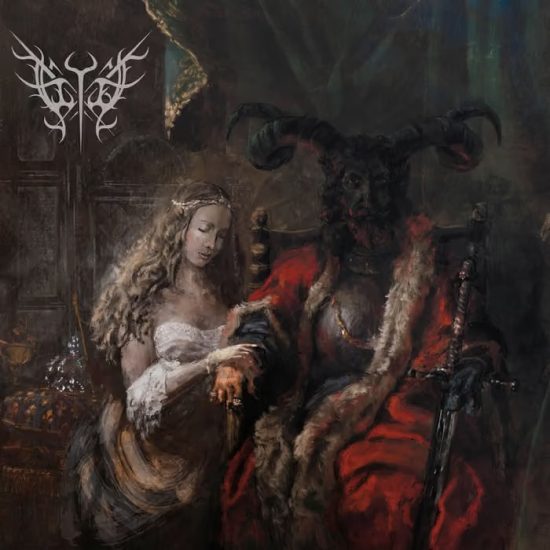
Flykt – Sinister Strain
Release Date: June 19, 2026
Coming from the Swedish school of harsh but clever black metal, Flykt had a fine start to their existence with Charnel Heart in 2019; an album that didn’t reinvent the wheel by any means, but was an introduction where plenty of promise was on display, especially in the ability to create a stinging guitar rhythm. It took a bit, but the ever-crucial next step arrives in the form of Sinister Strain, with hopes of ascending (or should it be descending, for black metal) to a fully realized state.
One area of opportunity from Charnel Heart was the establishment of a denser, more virulent atmosphere. It was present in flashes, but going further could pay dividends. Enter Apocryphos – the dark ambient project of one Robert C. Kozletski, who to be totally transparent, is a good friend. However, we don’t judge our compatriots with rose-tinted glasses, so he’ll get the full breadth of my wrath, as we expect a lot knowing his capabilities. He’s built a name for himself in the dark ambient world, and was brought in to add those waves of suffocating bleakness to Sinister Strain. His contributions exceed my lofty standards, cultivating the proper mood instantly via the foreboding, murky intro track “You Will Know Them by the Reek of Defeat.”
From there, the aural violence steamrolls all via “Transcendent Rebellion” and its layered guitar barrage. The riffs cut to the bone, the tremolos frantic, and the low end bludgeons with reckless abandon. Vocalist Andreas emits a bark akin to the wildness of countryman Mortuus of Markduk fame, though with his own tonality – raw and venomous. “An Uncarved Block” continues the high-speed affront, with swirling lead guitars being the most notable single element on the track. Flykt manage to be melodic without jettisoning a single ounce of bite – “Armed with Countless Daimons Seeking Abode” serves as a fine example of this pinpoint balance – key to their deft yet all-encompassingly aggressive nature.
Flykt certainly aren’t one-trick speed merchants – tracks such as the maniacal, mid-paced “The Release and Descent” and “Unswerving Strife, Unyielding Will” remind of Thy Darkened Shade’s harsher side, with ample grimness penetrating every note. We harp on this continuously, and will continue to do so, as it’s a piece that separates the pretenders from the top tier – the ability to craft rich, truly interesting songs that transport one into the creator’s world. Flykt more than understand that throughout Sinister Strain, resulting in a record that flows, making its 56-minute runtime move briskly.
Airing on the side of the dramatic, Flykt finish with an ambitious swing. “A Furnace for the Stars” serves as a gloomy instrumental setup for the monstrosity that is “There Comes the Light” – a gnarly piece brimming with catchiness, but also robust and contemptuous, bringing all of the band’s most potent elements to the forefront in a tour de force that won’t soon be forgotten. A fading out into an extended bit of dreary, frightening ambience to leave on a fittingly disquieting note is an unexpected and ever-delicious icing on the proverbial cake.
Flykt have leveled up to an impressive degree with the combustible, nuanced Sinister Strain. We hope that the band continues on this trajectory, as the chance to engrain themselves as a formidable mainstay in the world of black metal is well within reach.
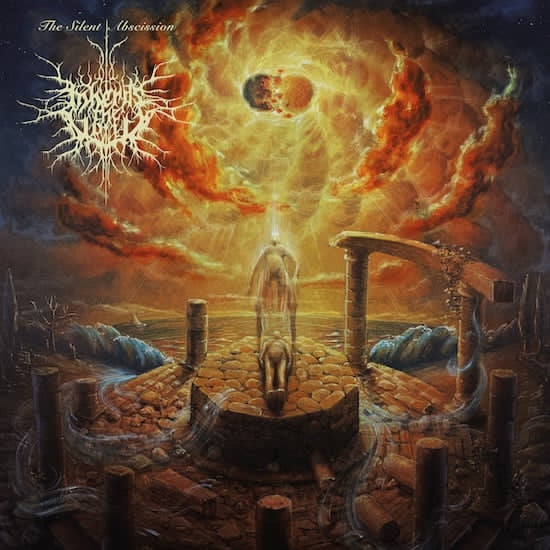
Inherits the Void – The Silent Abscission
Release Date: June 19, 2026
It’s cool that we’ve been at this column long enough for the potential to have alumni make another appearance (there will be another this month), and that time is now, in the form of the French melo-black project Inherits the Void. We first opined on the musical venture of Antoine Scholtès two years ago at this same time, a June release, for Scars of Yesteryears. Always a busy bee, he’s arrived at his fourth album in less than five years with The Silent Abscission.
If familiar, he’s cemented this project’s basis firmly in the melodic black metal realm, obviously influenced by the likes of Vinterland and Unanimated, but with their own specific purview of that familiar style. What’s been paramount to the success of Inherits the Void has been Scholtès’ ability to refine and tighten his writing with each release, and there’s no deviation from said line of thought with The Silent Abscission. Delving further into melodic territories, one can hear bits of Gates of Ishtar in the lead play on tracks such as “The Dawn over Ruins,” but the black metal aesthetic isn’t shed, as he keeps from wading too far into melodic waters, and resists taming his sharpened edge.
Knowing when to turn the proverbial heat up, selections like opener “The Sepulcher of Time” and the massive “The Last Cry of Cosmos” shred with deft attention to detail, whereas pieces such as the title track dabble with clean vocal harmonies amongst ripping melodies. Inherits the Void doesn’t stick to a formula at all, but the music is definitively “them” while wearing all of their varying influences proudly.
Perhaps the most infectious and searing song on offer is “In the Shadow of the Falling Star” – emitting crunchy riffs with razor-sharp melodies while painting a dazzling aural picture that weaves about with cleverness, ultimately resulting in an enduring piece of inspired endeavor. Perhaps Night in Gales-ish, if the German melodic death stalwarts went black metal.
Not afraid to experiment, the groovy “Wrath of the Endless Sea” is an enticing departure, complete with saxophones that make me think of Aenaon, but far less jazzy. If the presence of the saxophone in black metal makes one cringe, it’s implemented here in a way that feels complementary and not for the novelty of it, inserting a dimension that turned out very cool. The sax appears again in “Inherits the Void” – without question the most progressive leaning song on any of their releases, with haunting clean vocalizations inserted amongst the blasting drums and blackened tremolos, again finely integrating contrasting musical elements within his further expanded sonic framework.
The Silent Abscission is a brave record where a number of major risks were taken, and in the viewpoint of this critic, all paid off handsomely, providing what is Inherits the Void’s most diverse and altogether intriguing album to date. It’s likely that the next chapter won’t take incredibly long to manifest, as has been the tradition thus far, and we’re eager to see where this journey decides to embark upon next. For now, we’ll bask in the refined air that defines The Silent Abscission, and be extraordinarily happy doing so.
Vafurlogi – Gneisti af eldi Guðs
Release Date: June 19, 2026
Part two of our alumni brings us to Iceland for a surprise release that just appeared on the release date, with zero fanfare or prior announcement of any kind. A gutsy move, and it really comes as no surprise, considering the artists involved have always approached their music as they see fit with zero compromise. The band in question is Vafurlogi, the vehicle of Sinmara/ex-Svartidauði madman Þórir Garðarsson, who back in the fall of 2024 we heaped enthusiastic praise upon in the context of the debut Í vökulli áþján. In hindsight, how the hell that album didn’t make my year-end list is beyond comprehension.
Vafurlogi does black metal on a different course than other Icelandic acts, who to be fair mostly tend to blaze their own trails, but managed to have done so with great success two years back. Imagine my surprise when waking up to see an email extremely early that Friday morning announcing a new record that happened to drop, and started messaging a few folks to make sure they also saw it. We had a few albums on the list to check out that day, but this second LP titled Gneisti af eldi Guðs shot to the top. After about five or six repeat listens, we had to go and check out some other stuff, but we kept coming back, over and over. That pattern hasn’t changed since, as this record is something special.
A similar sense of overcast, dense melody is at the core of Vafurlogi’s approach, but it’s somehow darker and increasingly hopeless in tonality this go-around. A fine soundtrack to the end of days, this would be. Opener “Af heilagri heift” tugs at many emotions at once – trepidation, anguish, calamity, antipathy, you name it – swallowing the listener in their overwhelming, noxious aura. The constantly changing structure leads to a multitude of surprises, highlighted by the variety of vocal styles on offer, each used at exactly the right moment for maximum impact.
If ferocity is as enticing an elixir for you as it is for yours truly, “Þegar rykið sest” will grab hold instantly, but as intense as the track is, it’s equally esoteric. A feeling that can be challenging to pin down, but it rattles to the bone – a feat Vafurlogi have accomplished with this record in spades. “Að handan” is one of many fine examples; a trance-inducing piece that’s harsh and violent, yet equally intoxicating,
We wouldn’t label Vafurlogi a melodic black metal band, but they do use plenty of melody, utilized in a distressed, menacing manner. The self-titled “Vafurlogi” emits blazing tremolos and lucid, sweeping guitar passages that provide a divergence from the shadowy aural cloud following your every movement. “Vitjun” tears away with meticulously executed lead play, kept in the doldrums by Garðarsson’s cavernous vocal snarl, an immensely effective staple of Vafurlogi’s sound, of which the usage is a key component of Gneisti af eldi Guðs.
As engrossing as this album has been up to this point, the closing pair of tracks are the zenith. “Úr himinsölum” stands as a terrifying piece that builds from the foundation up, blasting tension to a fever pitch, and then the brakes are hit in the exact middle via a disquieting clean passage containing a bit of a western influence. Odd as that sounds in writing, it works exceedingly well in practice, propelling the rapturous last few minutes before bleeding into “Earthly Vestiges” – the monumental, grandiose closer that throws a few more turns at the listener, reminding of Blut Aus Nord’s dissonant side whilst also being very much off-center in their own way (that piano at the end is dazzling), adding an exclamation point to a masterful record.
If you like black metal in any way, Gneisti af eldi Guðs is in need of your focused attention. With so much depth, uncontrollable fury and an impassioned tenebrous feeling woven throughout, Vafurlogi have crafted an inspired release that shows much of what we adore about the genre in exquisite form.
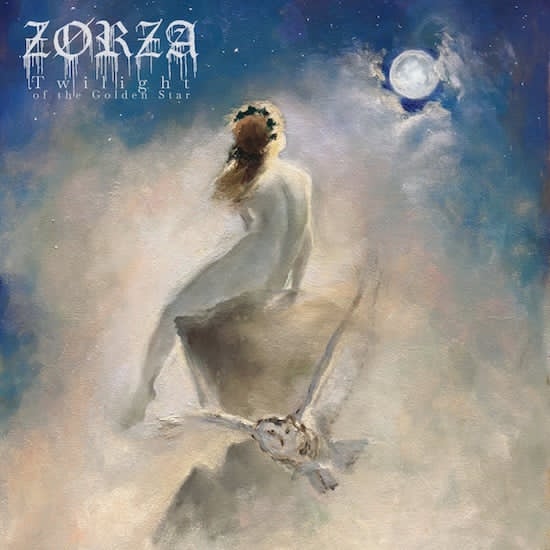
Zørza – Twilight of the Golden Star
Release Date: June 26, 2026
We travel to Poland for a smattering of post-black courtesy of up-and-comers Zørza to complete the month. Unlike many black metal acts from this land, they carry a bit of a Hellenic sound, and this duo also draws from acts like Groza’s more recent sounds, Gaerea at the Limbo and Mirage points of evolution, and a little bit of Harakiri for the Sky, though less reflective and more direct. Their debut full-length Hellven turned heads with their introspective approach to the wide open style of post-black. That record felt like a solid foundation, and though it didn’t overpower me in a profound way, it also showcased much promise. They’re back for more with Twilight of the Golden Star, an impressive next step in numerous facets.
Opening with the title track, Zørza eyes the moon (to connect with the gorgeous cover art by Igor Datkiewicz) with an effusive energy that includes guest vocals from Michael “J.J.” Kogler of Harakiri for the Sky / Karg, adding an additional layer to an already poignant composition. The guitar work from Eryk Lange has taken a step forward, feeling more untethered whilst remaining refined and detailed in his writing approach, highlighted by silky smooth leads and punchy rhythms.
“My Wounds” also includes Kogler’s vocals, mixed in with new lead vocal contributor Amorth replacing Refur, who can be heard on Hellven. Amorth adds a bit more sandpaper to the band’s overall sound, which to these ears is much needed when many other aspects are more polished – something post-black metal bands often lack. Entries such as the infectious and diverse “Stormspell” (note the emotive, striking solo) and “Against Theocracy” aim for the kill with several blistering segments, where also the additions of bassist/lyricist Kacper Bartkowiak give a certain groove to proceedings, helping both these tracks and the album as a whole stand out, while his clean backing vocals on the latter invoke a stellar contrast to the galloping tremolo-driven guitar attack.
Continuing the tradition of the “Death” and “Zorza” installments found on their first EP and Hellven is “Death III” – slewing lavish and direct melodic black metal with scorching explosiveness. Meanwhile, “Zorza III” is a synth-heavy instrumental engineered to set up “The Devil Wears Well” – an anthemic last offering that delves into that aforementioned Hellenic feel while doing so in their own way.
If post- averse, Zørza might not change one’s viewpoint, but we’ll urge you to give them a shot anyway. Twilight of the Golden Star is an excellent sophomore effort that melds the nimble qualities of post-black metal with that of harsher interpretations of melodic black metal, all while throwing in a bit of Greek-inspired flair for good measure. A notable step upwards in their trajectory, Zørza is on the right path to further establishing themselves in a crowded and competitive scene.
Spotify: