
(written by Islander)
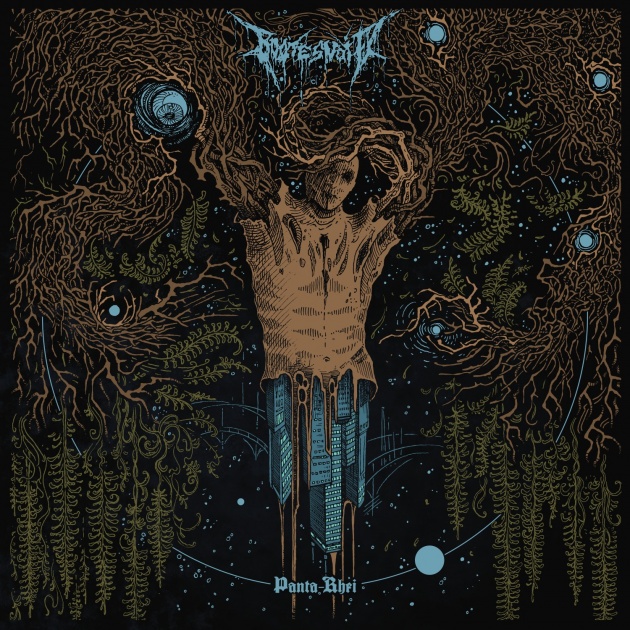
On September 4th Vendetta Records will release a new album named Panta Rhei by the German black metal band Boötes Void. It follows a demo (The Alder’s Sleep), an EP (Alders Heresy) and two previous albums (C.O.L.D. and Singularity).
As disclosed on Metal-Archives (and probably elsewhere), the band took their name from “a region of space hundreds of millions of light-years in diameter and containing very few galaxies, also known as a supervoid”. And yet their new album is based upon the surviving writings of the vastly influential pre-Socratic Greek philosopher Heraclitus.
It is a very interesting concept, and an unusual one as the inspirational basis for black metal, and so we want to share Boötes Void’s statement about it before we get to the main focus of this feature — our premiere of the new album’s title song, which includes guest vocals by Lukas Gosch (Ellende).
 Stephanie Rifkin aka Photos by Tiffany Anne
Panta rhei – everything flows – is the philosophical principle of Heraclitus, who, through his doctrine of the flow, teaches the unity of all things. He teaches that, by the nature of things, everything is constantly changing and nothing remains the same forever. Just as we cannot be the same person today as we were yesterday or will be tomorrow….
The doctrine of the flowing river thus serves as a common thread running through the various themes of this album…. Each song addresses a different theme, thereby adding a further layer of meaning.
For example, the first two tracks, “Crown Of Vermin” and “Shapers Of The End”, criticise the idea of power based on suffering and describe the powerlessness and hopelessness experienced in a society that, with gleeful self-loathing, consumes itself in its own feared downfall.
Thus, Panta Rhei builds up song by song, theme by theme, leading up to the title track, which, based on Heraclitus’s philosophy, provides an answer to all the themes and issues addressed on the album. In the context of the album, the doctrine of the ever-flowing river stands above all for an affirmation of transience.
Within this context, the doctrine of flux ultimately becomes an affirmation of impermanence – the acceptance that change is not something to resist, but an essential part of existence.
And with all of that in mind, we turn to the title song, again prefaced by a statement from the band:
We deliberately wrote this song to be full of contrasts, reflecting the natural cycle of change that shapes everything.
The last glimmer of hope in the face of all these crises and all this suffering: even if all this shit has to end along with humanity for things to get better, at least it’ll be better afterwards.
In this song Boötes Void immediately create an atmosphere of tension and menace. The rhythm section heavily pound and thrust while the music drenches the listener in swaths of shrill and swirling sound that frantically glitter. Frantic drums, viciously scalding howls, and maddened screams further torque the music’s tension and intensity, and while the riffing remains engulfing, it also begins to sound both more dismal and more desperate in its mood.
The screams are shattering, and the snarls are bestial; the music is panoramic and its vast crests and troughs are tidal, yet pierced by a feverishly quivering lead guitar that seizes attention; and the rhythm section change their momentum repeatedly and also briefly pause.
But the song does indeed include contrasts. The music’s immensity diminishes, making way for acoustic strumming, pattering drums, and a brightly ringing guitar instrumental that’s mesmerizing. Yet wrenching screams intrude upon the spell, pointing the way again toward greater intensity.
Boötes Void again send vast melodic waves that are glorious, again threaded with a glittering lead-guitars, and the drums seem to joyfully skip (though they blast away again too). The music seems more hopeful now, and the band also reprise that mesmerizing guitar instrumental at the end.
We also want to share our previously expressed thoughts about “Nihil“, a song previously released from the new album through a diabolically mysterious video.
Here, the sound of cold winds sets the stage, and then the riffing swaths the listener in sonic acid, abruptly punctuated by bursts of hammering drums and momentous musical fanfares. The acid-strength riffing continues to swirl and sear, but they’re joined by gritty, vicious snarls and shrill guitar-leads that begin to sound like warning sirens.
Eventually those high, trilling guitars have a space to themselves, captivating but still sounding like a warning. Afterward, the rhythm section get bones throbbing again; doubled vocals cry out in rage or pain (or both); and the band elevate the intensity of the music up into the red zone, accented by militaristic drum patterns. Those brief but big musical fanfares also reappear, like strong bolts that connect the pieces of the song together.
As the credits roll in the video’s long closing segment, a gentle, melancholy, and mesmerizing orchestral melody provides the dreamlike soundtrack.
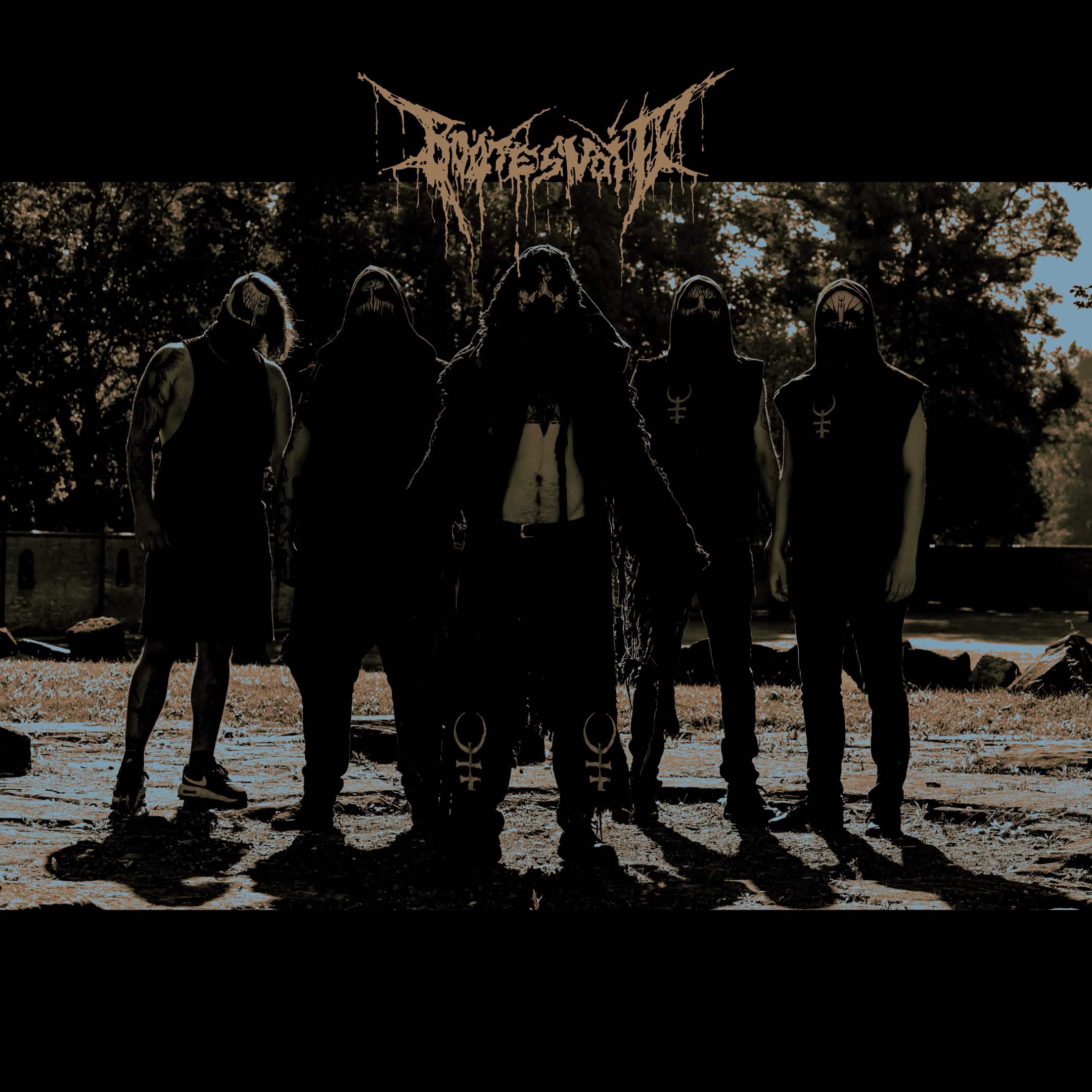
BOÖTES VOID are:
Boötes – Vocals
Corvus – Lead Guitar, Backing Vocals
Draktar – Rhythm Guitar
Cygnus – Bass, Backing Vocals
Otis – Drums
The cover artwork for the album was created by Vojtëch Doubek (aka Moonroot Art), and it includes booklet designs by Sven Kleis. As the release date approaches find more info, and eventual ordering opportunities, via the links below.
https://vendetta-records.bandcamp.com
https://vendetta-records.com
https://botesvoid.bandcamp.com/
https://www.facebook.com/booetesvoid
https://www.instagram.com/booetes_void/