
(written by Islander)
We started paying attention to Haintgrove in June when this Texas-based solo black metal project released its first single, “Starless Passage“. That led us to host premieres for two more singles, “I Dream in a Tongue I Cannot Speak” in August and “Kingdoms in the Thicket” in September. And now we’re premiering the entirety of Haintgrove’s self-titled debut album, which includes those three songs and five more, on the day of its release.
Haintgrove’s inspirations and lyrical themes have been as much a part of its appeal as the music. Haintgrove has expressed the short version of that in these words: “Rooted in the history and lingering memory of enslaved Africans in the colonial South Carolina Lowcountry, this album exists to honor those who came before us, and to remember what was carried, what was taken, and what continues forward.”
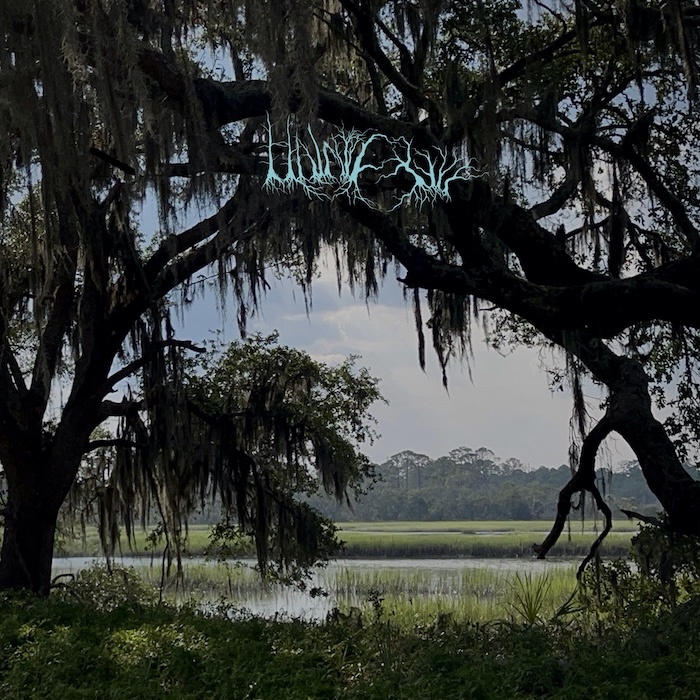
Creating a further connection to the album’s historical settings and lineage, Haintgrove has created some videos which feature his film and photography of the Lowcountry, and we’ll include them as we work through the music track by track. But at the end we have an album-length stream that pulls all the songs together.
This is an extremely rare weekend premiere at our site — and on a Halloween no less! — but we hope and believe you’ll understand after hearing the album why we made this exception.
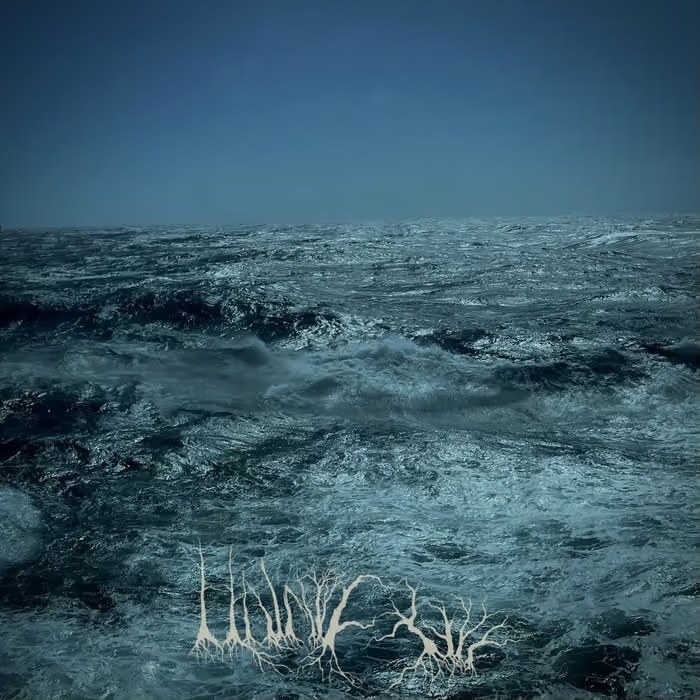
As mentioned, the album opener “Starless Passage” is one we’ve already commented about, the one that first hooked our attention to what Haintgrove was doing. Its wrenching lyrics eloquently express the agony and fear of an enslaved African chained below-deck on a ship bound for the New World — and they also tell of a rebellion (not the last one to be recounted within the album).
Haintgrove relates the tale through surging melodic black metal, oceanic in its tidal rise and fall but also punchy and swirling. That’s accented by some very nimble bass-work, booming beats, and rapidly skittering arpeggios that seem to channel anxiety and pain as well as fierceness.
The words come forth in near-strangled shrieks and guttural roars that manifest the horror, but the song also includes a soft interlude, a duet of rippling guitar and deftly picked bass — perhaps functioning as a vision of beauty in the midst of horror — as well as a thrusting and soaring finale that’s gloriously fierce and heart-pounding.
“Reduced” comes next. The lyrics are again eloquent, as they are throughout the album (you can find the lyrics to all the songs that have them below the streams at YouTube). On this occasion they describe in terrible terms a slave led from the ship that carried him to this world from his own, and the harsh experiences that banish his dreams of the ocean, that reduce his true name to only “a whisper in the night”, and that teach him instead to know “the fields and the lash”. He tries to escape, with his child running with him hand-in-hand — but fails, and is sold.
The song creates an immediate contrast with the ending of “Starless Passage” by opening in way that’s soft, ethereal, and sad. That haunting passage returns, but the music also rampantly hurtles and unfurls tremolo’d riffing that seems to scream in outbursts of extreme stress and to shiver in grief, as well as notes that dismally throb like a beleaguered soul. Altogether it creates a viscerally unsettling experience, and a very memorable one.
The Haintgrove narrative continues with “Teeth of the River“, a song inspired by the Stono Rebellion of 1739 in South Carolina, one of the largest uprisings of enslaved Africans in colonial North America.
As Haintgrove explains: “The song follows the rebels as they organize, rise up, and ultimately face violent suppression. It incorporates lyrics in both Kikongo and Kimbundu, reflecting the Central African origins of many participants in the Stono Rebellion, including people taken from regions of present-day Angola and the Congo”.
The words are fierce and proud, and this time explosive yells join in along with the caustic screams and impassioned roars. The music itself is also fierce — the riffing ferociously thrusts and writhes and the drumming hammers, thunders, and blasts. There’s no break this time — it’s full-throttle fire and fury from beginning to end, albeit with lower-range riffing that seems to express grim determination as well.
Haintgrove follows that explosive, blood-rushing song with “Shadow Over First Soil“. No words here, it functions as a kind of “breather”, an acoustic folk-music instrumental backed by clopping and thumping percussive beats that sheds further light on this artist’s talents as a guitarist.
It creates a mysterious and somewhat moody spell, grows increasingly vivid, and seems connected to the age and place that Haintgrove is bringing to life over the album’s course.
Next comes another of the pre-release singles, “I Dream in a Tongue I Cannot Speak“. The video was filmed at Lowcountry locations that included Sullivan’s Island, a place that served as a quarantine site for captive Africans arriving through Charleston, one of the major points of entry in the North American slave trade. Its lyrical narrator reminisces and imagines, reaching for something unremembered that calls from beyond.
As we’ve written before about this one, the riffing is urgent and surging, both feverish and blaring, and it’s backed by an equally urgent rhythmic drive. When the vocals break open in scarring screams, the rapidly vibrating riffing begins to sear and roil, desperate in the mood it creates. Fleet-fingered bass maneuvers seize attention while the drums blast away.
The instrumental performances are elaborate, and noticeable at every stage thanks to a production that allows all the ingredients to stand out, albeit without shining up the sound too much. The whirling, multi-layered guitars in particular have a rough biting edge, but they also glitter.
Given the song’s themes, the music also takes a more sorrowful turn as the urgency briefly subsides. The guitars plaintively ring as the drums boom and the bass grieves. But Haintgrove also accelerates again, providing one more adrenaline-fueled race that seems to channel despair, pain, and rage.
Track 6, “The Mire“, is another song lyrically narrated by a slave trying to escape the overseer’s reach beneath a moonless night sky. The words have a very frightening conclusion:
No direction, no returning, nowhere to turn
A nameless presence lurks
In the darkness
Unrelenting, all-consuming, all around me
All traces of the world I knew have disappeared
Within the twisted deep
Beneath this lightless vault
Hostile and pitiless
Here no master dwells
Here again Haintgrove creates a contrast between the opening of a song and the ending of the one that precedes it, because the opening mood of “The Mire” is steeped in gloom. But soon enough the surging beats, frantically whirling and vibrantly darting guitars, and shattering screams light things up.
I’ve probably already over-used words like “despair” and “desperation”, but that’s again the emotional quotient of much of this song as I hear it, though it jolts and punches very hard too, in a way that reflexively gets muscles moving. The melodies also seem to raise hands to the sky, pleading for relief, and to boil over in expressions of frantic fear.
Then comes “Kingdoms in the Thicket“, the second of our premieres for the album. The words treat the Lowcountry swamp itself as a witness to escaped slaves forming hidden settlements and communities beyond the immediate reach of plantations and patrols. As Haintgrove has explained:
The “kingdoms” in the title aren’t meant to suggest some grand victory or romanticized freedom. These were lives lived under constant threat. The song is more about hidden sovereignty, survival, and presence – people carving out spaces where they could exist beyond the world that claimed ownership over them, even if that existence was fragile.
As we wrote in our premiere feature, you’d best gulp some air before listening to the song because it doesn’t give you a moment to breathe before Haintgrove discharges urgently hammering beats and a speedily whirling guitar harmony, part low and part high in its sound, part fierce and part desperate in its mood (there’s that word again!).
As scorching screams erupt, the dual-guitar melody changes, still very fleet of finger but perhaps even more fiery. The riffing continues to change around agile bass-lines and pulse-pounding drums that gallop, blast, and rock. The guitars throb and whirl, thrash and strobe, become grim and grieve, and vibrantly escalate.
Choking gutturals again briefly trade off with unhinged screams, harshly expressing the lyrical poetry. But while the lyrics are very much worth a reader’s time, this is very much a riff-driven song. They and the melodies are its electrifying centerpiece.
The album closes with “Sodden Earth“. At 10 minutes, it’s the longest song. Its lyrics express the pain of enslavement and a righteous rage against the Southern master class who “teach their children to despise the very breast they suckled” and to “find forgiveness for cruelty in the arms of their hateful god”. The words are anguishing, but end this way:
We bear their chains
But still we sing
They can’t take what lies within
They know our flesh
But not our souls
Nor those who dwell
beyond their sight
We cradle them beneath the oak and teach the songs of our mothers
Children too young to know the home that waits beneath its ancient roots
Once again, Haintgrove creates a stark contrast with the ending of the preceding song through an overture that’s soft, ghostly, and emotionally haunting. You can hear the distinct instruments, but their sound is subdued.
Another contrast arrives when the song suddenly delivers rocking grooves and a dual-guitar heavy metal riff that gets its hooks in a listener very quickly. The mood is still dark but heads will move to these grooves. Yet Haintgrove shifts gears again, cutting loose with blast-beat fusillades and incendiary riffing in which a ringing lead guitar vivaciously swirls.
This song, which borrows from heavy metal and hard rock as much as it does black metal, also includes an attention-seizing guitar solo that seems designed to get invisible oranges hoisted high, as well as heavily thrusting rhythms, frenetically swirling and darting arpeggios, and broad swaths of rising and falling trem-picked chords that sound distraught. As throughout the album, the bass-work, which includes a solo, is beautifully supple and creative.
And now here’s the video that pulls all the songs together, a great statement by a welcome new presence in U.S. black metal:
All the music was written, performed, recorded, mixed, and mastered by Haintgrove. The album will be available on this Halloween day at Bandcamp and on other major streaming services (see below). Follow Haintgrove at Instagram.
Bandcamp:
https://haintgrove.bandcamp.com
Spotify:
https://open.spotify.com/artist/5d3xMcrTKVr0xGKp7F6ibK
Apple Music:
https://music.apple.com/us/artist/haintgrove/6773897645