
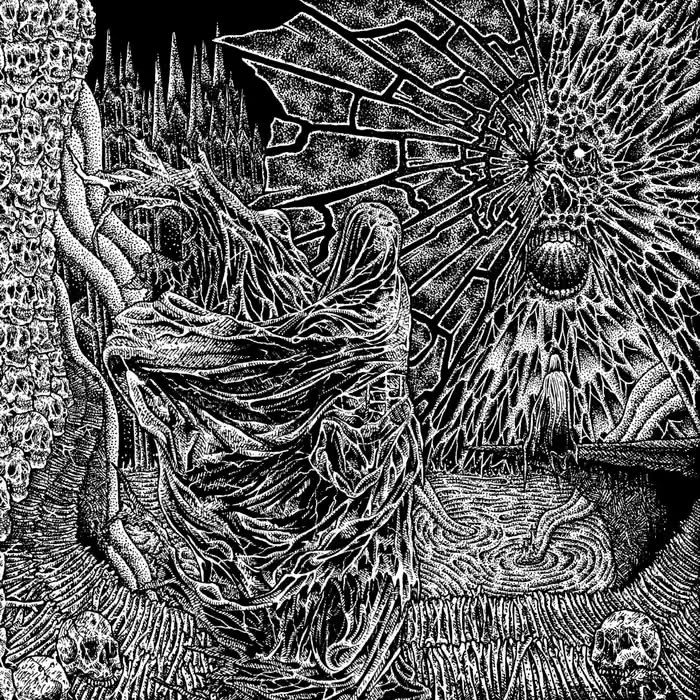
(Our DGR makes a rare (for him) foray into sludge/doom territory with the following review of a new album by the Nebraska crew Weaving Shadows, which they released in April of this year.)
Two things that have always been difficult to write about in this corner of the internet sewer: one, doom metal as a whole. Doom is a self-admitted perpetual blind spot for yours truly, having spent years ensconced in a comfortable bubble of moody and melancholic, pretty and polished, Euro doom usually on offer from the snow covered lands of the North. The often weed-obsessed, reverb-bathed, ’70s-influenced sects and the funeral-dirge cult, on the other hand, were often left on the wayside. A personal failing in the lack of patience for such a thing, and it is a failing that has led to vague overtures at attempts to fix – if nothing else than just to help serve as a custodial archivist of the cultural side of things.
The second: Nebraska, which is a place I have driven through a few times before, but my only lasting memories of the place are crossing the same river sixteen times, and the only man I’ve met whose name was “Guido” worked at a gas station there. So as you can see, we are starting from a tremendously strong context-heavy cultural touchpoint when it comes to the newest release from the Omaha-based doom metal band Weaving Shadows and their newest album Existential Decay.
Yet caustic sludge and doom knows no state boundaries nor humorous flippancy of an author on the internet. The language of plodding misery remains universal, bent and contorted through a variety of crawling tempos, distorted reverb, and feedback to drown in. If an album sounds closer to inching its way to the grave, all the better.
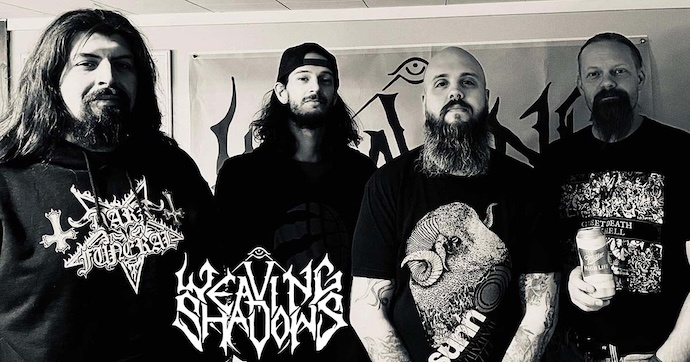
Subtlety, much like hope these days, was beaten to death before Weaving Shadows even starts on Existential Decay. One cannot do a proper doom release without having a procession, and nothing more befits a funeral doom atmosphere than closing out a song as close to a funeral dirge as possible, like Weaving Shadows do during “Fragile”. The main processional march wraps its tendrils around the entirety of the song, yet it is by the end of the crushing, slow crawl of “Fragile” that the band have ripped the veil off to reveal that the whole song has been one black-clad march to place the song in the dirt. It’s a little on the nose, but the gusto to use the idea in the first place is commendable, taking a recognizable musical motif and warping its features enough to fit within the confines of your own twisted paintings.
“Fragile” is the main point wherein Weaving Shadows begin their album, as opener “Anguish” – a name well chosen for this album – is a quiet introductory piece that gives little hint of the devastated ground that Weaving Shadows are going to walk through for their album except for its somewhat ominous atmospherics. As Weaving Shadows continue their steady march across Existential Decay the songs get lengthier as well, with “Kodokushi” clocking in at nine minutes and change and the two following it staying within similar bounds.
The “lonely death” of “Kodokushi” is drowning in effects work, slathered on top of the distorted hellscape of its guitar grooves and fuzzed-out bass. Weaving Shadows encapsulate multiple genres into their overall style, with the stoner segment bleeding into sludge’s propensity for blues-inspired groove above all else, so even though the subject matter in “Kodokushi” is equally as grim as “Fragile” before it and “Leech” following, the song bounces a little harder because its musical markers hail more from a classic style of doom as opposed to its immediate forebear’s death march.
“Leech”, while consistently slow, as the whole album is, is the song wherein you’ll hear the blackened genre-flags propping up around the fringes of the song. One particular guitar lead is much faster-picked during the verses than the otherwise steady-footfall of a wounded man that makes up “Leech”. Sometimes the term is used more to describe the outlying musical lands that an album continually hints at traveling, but in the case of Weaving Shadows it is one more element in their dogged determination to ensure that Existential Decay sonically matches the title chosen for itself.
“Noctu” wears the garb of the indulgent closer out of Existential Decay’s five songs, conjuring the old spirits of the album’s introductory work before descending into the Weaving Shadows comfort zone of misery-march. The group never fully descend back into funeral doom territory quite like the ground they kissed during “Fragile”, yet during “Noctu” they touch upon ideas more completely realized in earlier songs. As a result, the indulgent nature of “Noctu” allows the band time to bookend the album as a whole while unleashing one of the few distinctly melodic leads within the musical ballpark of the album. The whole chorus section in which that specific lead appears is what ties the song together into its nine-minute bundle, and it is an idea whose themes Weaving Shadows recognize it is worth continually finding their way back to. The band may journey down separate thorn-ridden paths for each verse of the song but they will always come back to that melodic lead to “suffer in silence” and hammer the pain its musical protagonist feels over that drawn-out ending segment.
Existential Decay is not a pretty album; the title, artwork, and death-obsessed song titles could’ve clued you in, but metal is a strange enough genre that you couldn’t be faulted for not knowing. However, by the eleven-minute mark of the album it is very clear that Weaving Shadows are a doom and sludge band who know how to pull from the best of the genre to make their own musical meals. There are segments throughout Existential Decay’s five songs that can be easily dissected and traced back to roots of different influences and regional scenes, but this Nebraska crew have crafted a slightly over forty-minute journey that absolutely sounds like it is embodying the existential decay they chose for their title.
From “Fragile” and its funeral march to the death-ridden groove of “Kodokushi” to the criminally strong guitar melodies of “Noctu”, Weaving Shadows have a proper doom album on their hand here, and their depression-fueled wanderings are worth immersing yourself in, if you’re exploring for new, slower tales to listen to.
https://linktr.ee/weavingshadows
https://www.facebook.com/WeavingShadows