Sep 272013
 

(NCS guest contributor Austin Weber reviews the forthcoming second album by Tasmanian death metal band Mephistopheles.)

In the past couple of years, the number of creative and talented Australian metal bands has grown and become a force to be reckoned with. Which is not to say their scene hasn’t always slayed; I’ve been jamming plenty of bands from there for years, including the almighty but now defunct Alchemist. Well, we can add another name to the pile of Australia’s best in Tasmania’s own Mephistopheles. A band on the cusp of releasing their second album Sounds Of The End, they have crafted an album that will stand as among the best metal that comes out this year. While few know the name, many will recognize members of their lineup which includes vocalist Matt Chalky (Psycroptic) and sole guitarist Ben Lawless (live for Spawn Of Possession), who also performs vocals.

Sounds Of The End matches its name not only in ferocity but also with an uplifting beauty that sometimes includes some very emotive clean singing. Sonically, Mephistopheles mix and match technical death metal of the Spawn Of Possession school and old-school death metal variety with a rarely straightforward and often reflective black metal side. Their love for songs that revolve around big groovy riffs instead of a shower of leads and solely blazing nature further sets them apart from the preconceived notion of what technical death metal sounds like. Mephistopheles also likes to use that back and forth, wind-sweeping build-up sort of riff that you hear in The Faceless, but done a bit differently, and used to good effect. Continue reading »
Sep 272013
 

I have a bad habit of yawning by the time I reach the second or third track of most recent thrash releases. Unlike many seasoned metalheads I know, I didn’t grow up on the old gods of thrash, I do not worship at the altar of Slayer or Metallica, and though I’ve explored the field after getting into metal through other pathways, my tolerance for the genre remains limited. I enjoy an ass-burning riff as much as the next person, but the idea of writing songs that sound different from each other seems to be a foreign concept to many current-generation thrash bands, and I’ve always had trouble appreciating the “classic” thrash vocal style.

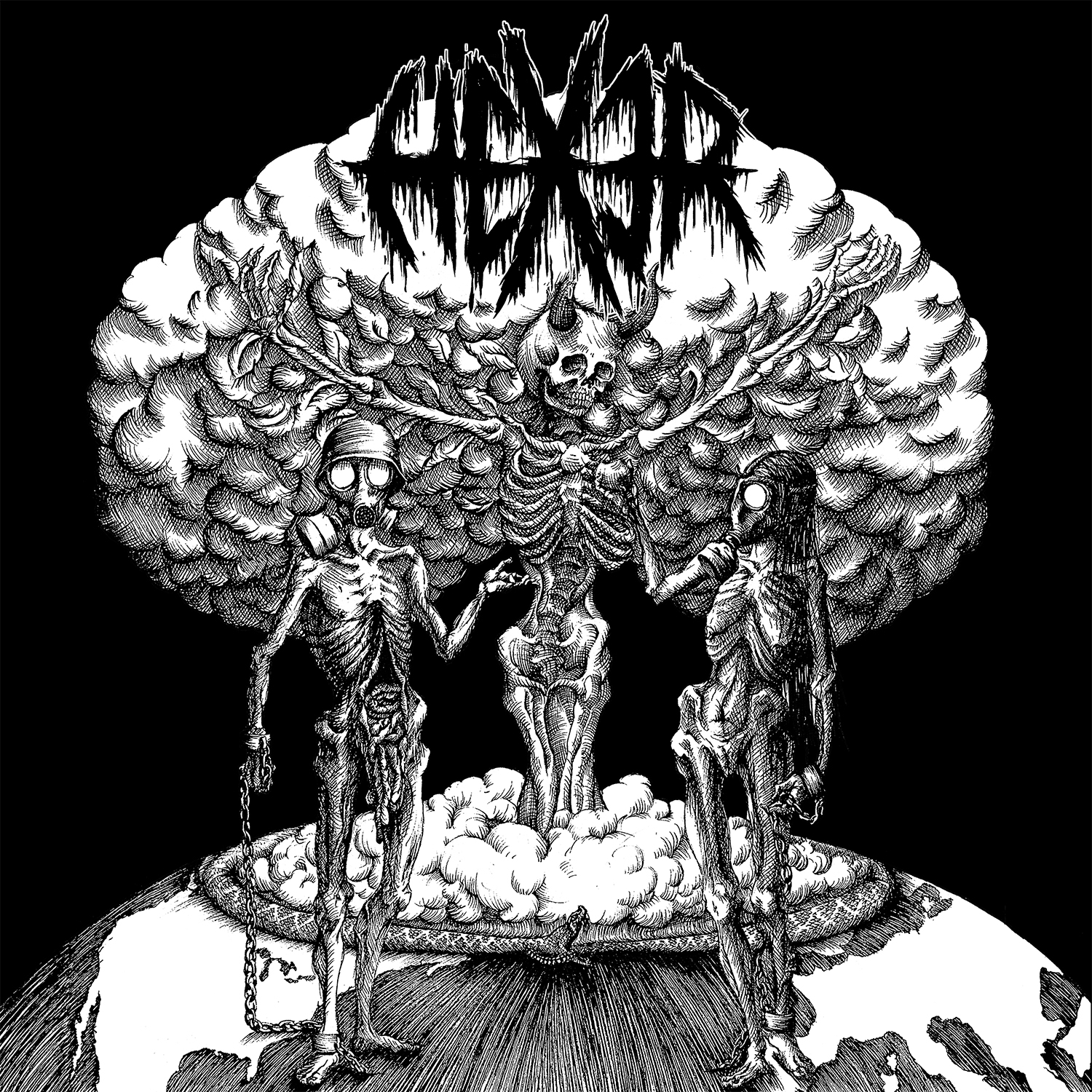
But what I’ve discovered in recent years is that I didn’t dig deep enough into the darker corners of thrash before convincing myself that it would always fall low on my own list of genre preferences. What I’ve discovered is a strain of thrash that ignites a fever in the blood. What I’m talking about is the infection of black metal within the thrash blood stream. It’s not a recent scourge — the disease sprang to virulent life long ago — but I’ve only discovered its appeal recently. The self-titled debut album of Philadelphia’s Hexer is a very fine recent example of that virus.

This new album is not entirely new. It collects six songs from two 2011 EPs that the band distributed locally on cassette, but they’re now getting a remastered, professionally packaged vinyl/digital release by the reliable Gilead Media label. And the 36 minutes of music the album contains are anything but dull: Hexer is a romping blast of hellfire and brimstone, with the kind of riff mastery that will cause foaming at the mouth.

Continue reading »

Sep 252013
 

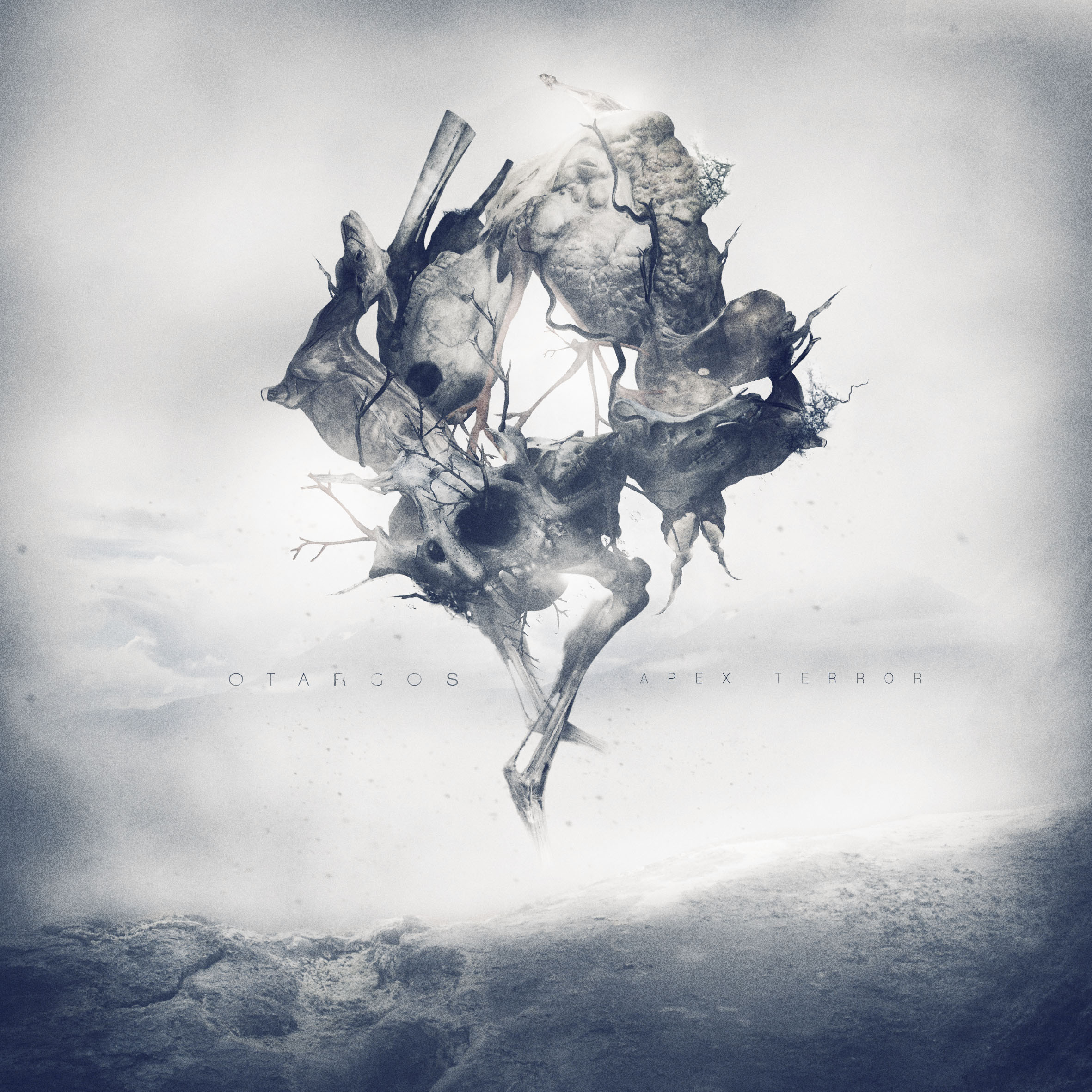
(Andy Synn reviews the new album by Otargos, which is out now in Europe on Listenable Records and is scheduled for release in North America on November 5.)

France really is in the middle of something of a metal renaissance (“rebirth” all you non-bilinguals) right now. And I’m not just talking about the steady rise of artists like Alcest and Gojira (or their many imitators). No, I’m talking about some of the seriously nasty underground filth and fury that our Gallic cousins have been pumping out over the last several years.

In particular, 2013 has seen (or will see) the arrival of three truly phenomenal records from the French death/black metal scene – the sickening brutality of “Profane” by Svart Crown, the sneering bombast of Glorior Belli’s Gators Rumble, Chaos Unfurls (which I believe one of my brethren will be reviewing shortly), and this, the inhuman, predatory malice of Apex Terror. Continue reading »

Sep 232013
 

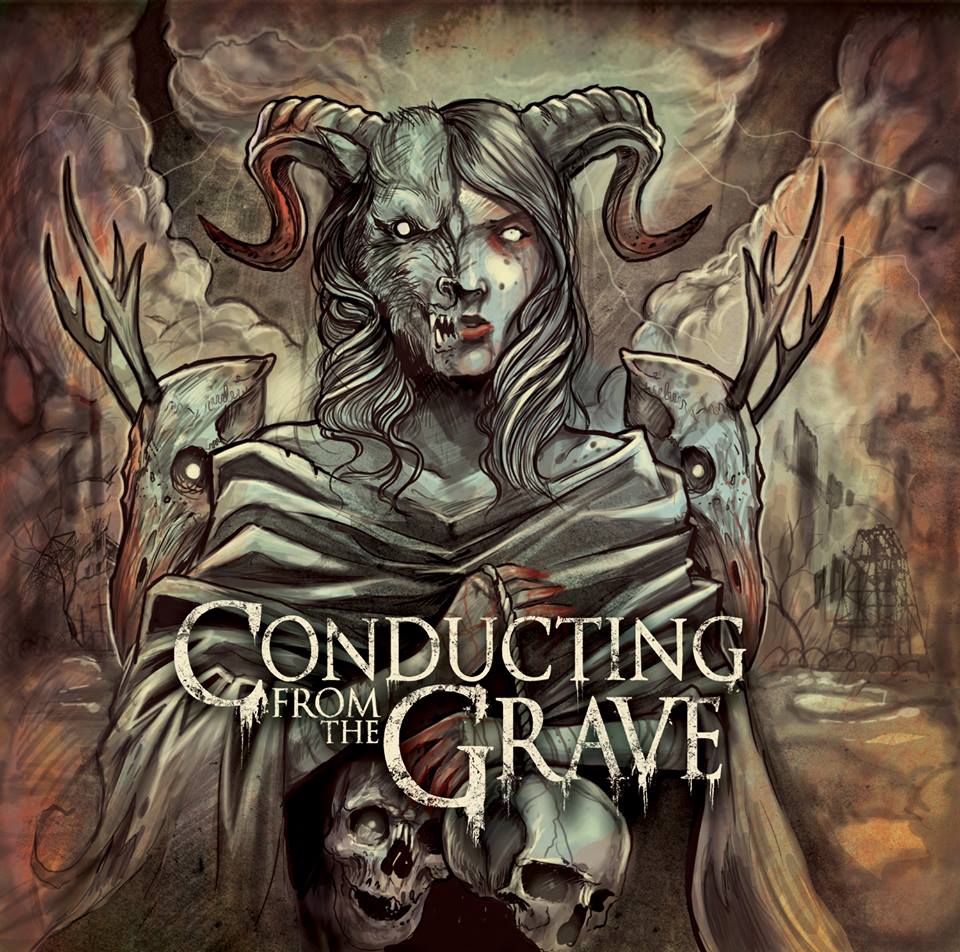
(In this post, DGR reviews the forthcoming self-titled album from Sacramento-based Conducting From the Grave.)

The time has come; after much label politics, a nail biter of a Kickstarter, and a three-year wait, Sacramento locals Conducting From The Grave are about to release their latest disc, an album that they aptly decided was going to be their self-titled effort.

The group’s discography prior to this has ranged from excellent to pretty good, and after one impressive EP and two strong yet very different major label releases, there was really no way of telling which way the band were going to go next. However, the group’s lead-off single of “Honor Guide Me!” was strong enough to generate a definite air of excitement surrounding their potential third release. It was a song that was more traditionally death metal than what the band had done before and it melded together so many differing elements to create the chaotic, whirling mass of riffs for which many people got into Conducting From The Grave in the first place.

The group have been pounding it out for years now and amassed quite the fanbase, some more familiar with the group’s second release Revenants than their label debut When Legends Become Dust. Conducting From The Grave are now an entirely different beast, attempting to hybrid the two together and create something entirely new and much, much heavier. Continue reading »

Sep 232013
 

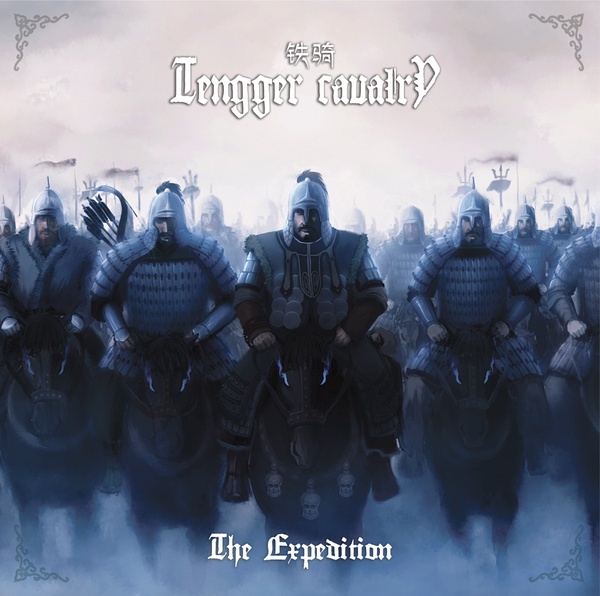
(BadWolf reviews the wonderful 2013 album by China’s Tengger Cavalry.)

Folk metal is hard. On the one hand, when the genre is executed to my liking, it’s one of the finest sub-genres of metal there is—full of character, interesting lyrics, groove, hooks, and interesting instrumentation. I’m talking about bands like Moonsorrow, Melechesh, and Primordial. On the other hand, most folk metal bands send me flying for the delete key: folk metal bands like Finntroll and Turisas get cheesy quickly, and the sheer earnestness behind that cheese just makes me pity them more—and want less of them in my ears.

File China’s Tengger Cavalry alongside Primordial on my list of folk bands that do it right. Invisible Oranges scribe Rhys Williams turned me on to this band of heathens with a few cuts from their previous album, Sunesu Cavalry. Tengger Cavalry hail from China, and play folk metal based on the myths and legends of nomadic Asiatic tribes such as the Mongols and Huns. What was once a one-man project, led by guitarist Nature Zhang, has since become a full six-piece band. Tengger Cavalry’s second album, and first as a live unit, The Expedition, dropped on Bandcamp early this summer, and it will trample you under hoof.

The tribes of Mongolia once raided as far west as the Roman Empire on horseback. With a name like Tengger Cavalry and song titles like “Black Steed,” horse sounds and imagery compose a big part of the band’s sound. The heavier tracks on The Expedition all use Iron Maiden-style gallops, as well as mid-paced triplets to great effect. The band even use a whinnying noise from one of their two (!) Horse Head fiddle players as accent marks in a manner reminiscent of Gojira’s pick-slide dive-bombs. Continue reading »

Sep 222013
 

(DGR reviews the debut album by French metal band Dysmorphic, out now on the Unique Leader label. Click that stunning album cover by Stan-W Decker to see a bigger version.)

Unique Leader has become the quintessential modern tech-death label at the moment. It’s likely an easy thing to do when you’re composed of members of Deeds Of Flesh, but the label has really been good for picking out the technically heavy, crushing style that seems to have really gained popularity over the past few years. While they’ve stuck to the States with a lot of their recent signings, they have reached across the whole country and the Atlantic Ocean as well in order to pluck out a young band by the name of Dysmorphic, a group that had existed under the name Necrocism for about a year before taking on the mantle of Dysmorphic in 2009.

Prior to their recent September release of A Notion Of Causality, the group had only released one song and a self-titled EP. Claiming to have heavy influences in the Suffocation and Decrepit Birth range must have made a hell of an impression because here the band now stand, Unique Leader signees and with the aforementioned A Notion Of Causality unleashed for the world to hear.

The disc contains some older material from the group’s EP but otherwise comprises new stuff. It’s made up of worming riffs, otherworldly melodies, unrelenting brutality, and angular time signatures, all buttressed by a heavy dosage of blasts and high roars; their lyrics and themes also have a strong philosophical bent. They’re part of the current tech-death wave that is sweeping the metal scene, but does A Notion Of Causality do a good job making the band stick out from everyone else? Continue reading »

Sep 222013
 

I mentioned in passing on 9/11 that Lustre’s 2013 album Wonder may be the most beautiful record I’ve heard this year. So when I noticed yesterday that Lustre has also contributed to a forthcoming split, I had to investigate.

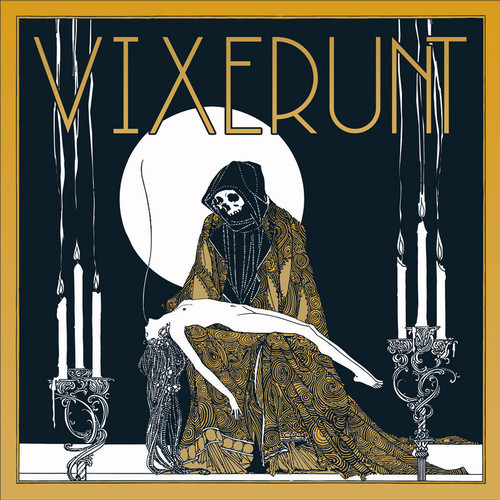
The split will be jointly released on vinyl next month by I, Voidhanger and ATMF, with cover art by Francesco Gemelli. Lustre’s contribution is a song entitled “Like Flowers of Gold”. Like so much of Wonder, the song casts a hypnotic spell, its seductive melody repeating in an extended loop against a backdrop of deep, groaning tones and ghostly/ghastly whispers. Atmospheric music such as this need not be complex nor instrumentally intricate to be emotionally affecting, but it does need to be well-written, and this Swedish one-man band does have that talent.

The second band on the split are new to me. Austria’s Aus der Transzendenz produced a debut album (Breed of A Dying Sun) last year, and this new song “Vixerunt” appears to be the band’s first new music since then. Where Lustre’s track brings a moonlit, pastoral ambience, “Vixerunt” races like a storm front, yet it is also an atmospheric piece of music. Continue reading »

Sep 202013
 

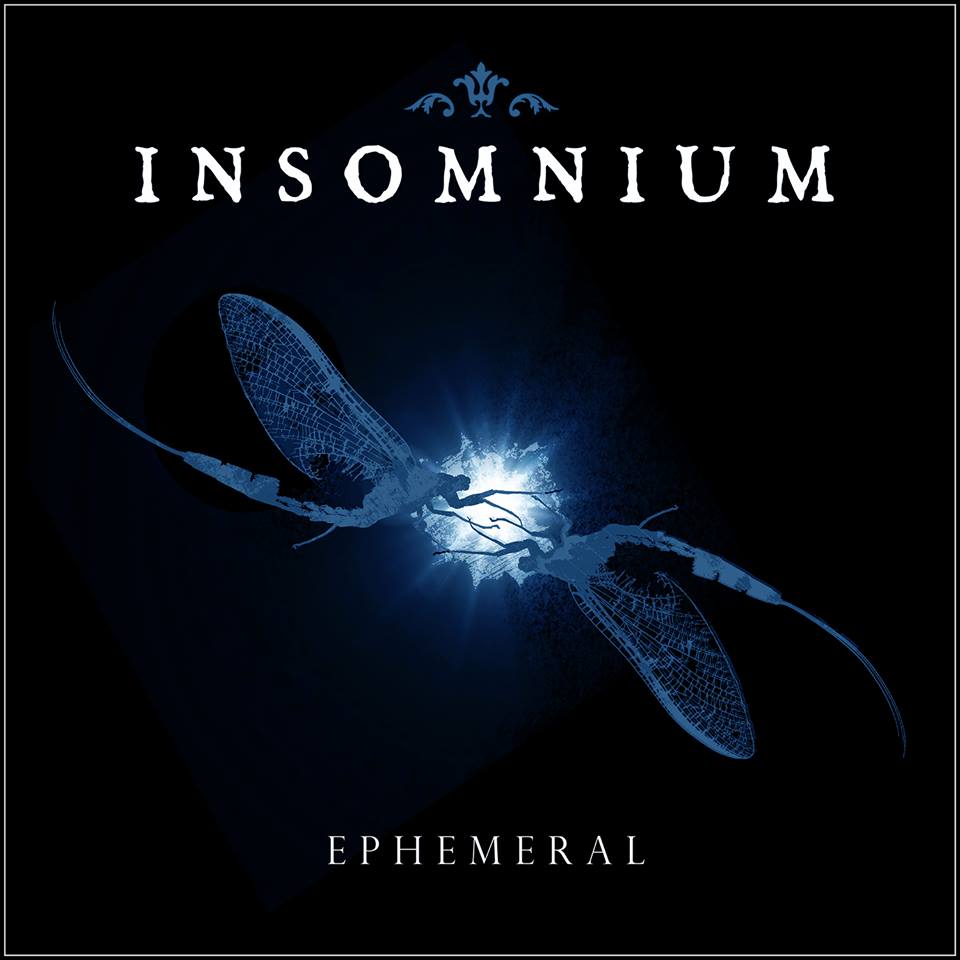
(DGR reviews the forthcoming four-song EP by Finland’s Insomnium.)

This seems insane to say, but it has already been two years since the release of Insomnium’s latest disc One For Sorrow. It’s a sentiment that I know I’m guilty of expressing all the time, but One For Sorrow, like most Insomnium releases for me, still remains as good on recent spins as it did the first time I experienced the whole thing. The band have experienced lineup shifts in that time, which is another crazy thing because Insomnium maintained a relatively stable lineup until 2011, when Omnium Gatherum guitarist Markus Vanhala joined the band. Due to the timing of his enlistment, we actually haven’t heard anything the man had to contribute to the band until now, with the release of Insomnium’s new EP Ephemeral.

It’s hard to tell based on this new release what the musical future will look like for the band. With each previous disc, Insomnium have managed to shift their sound just enough that the only two persistent unifying themes have been that the music will be melancholic and poetic, and you can usually expect a slower, more progressive form of melodic death metal. “Ephemeral” is an entirely different beast though, a surprising song released by a band known largely for their creation of atmosphere and constant citation of poetry within the lyrics. Despite it sounding like an Insomnium tune, with many recognizable traces of the band’s established style,  it still manages to feel like a huge change for the group.

“Ephemeral”, bluntly put, is Insomnium writing one of the catchiest songs they’ve ever written. They’re not really known for writing super-catchy tunes, especially in a very blatant pop format. Instead, they tend to favor sweeping gestures and the occasional sing-worthy chorus. “Ephemeral” feels strange because it’s ridiculously up-tempo compared to what fans of the band have become used to and it’s remarkably ethereal, much in the same way that Omnium Gatherum’s recent release Beyond was. Continue reading »

Sep 202013
 

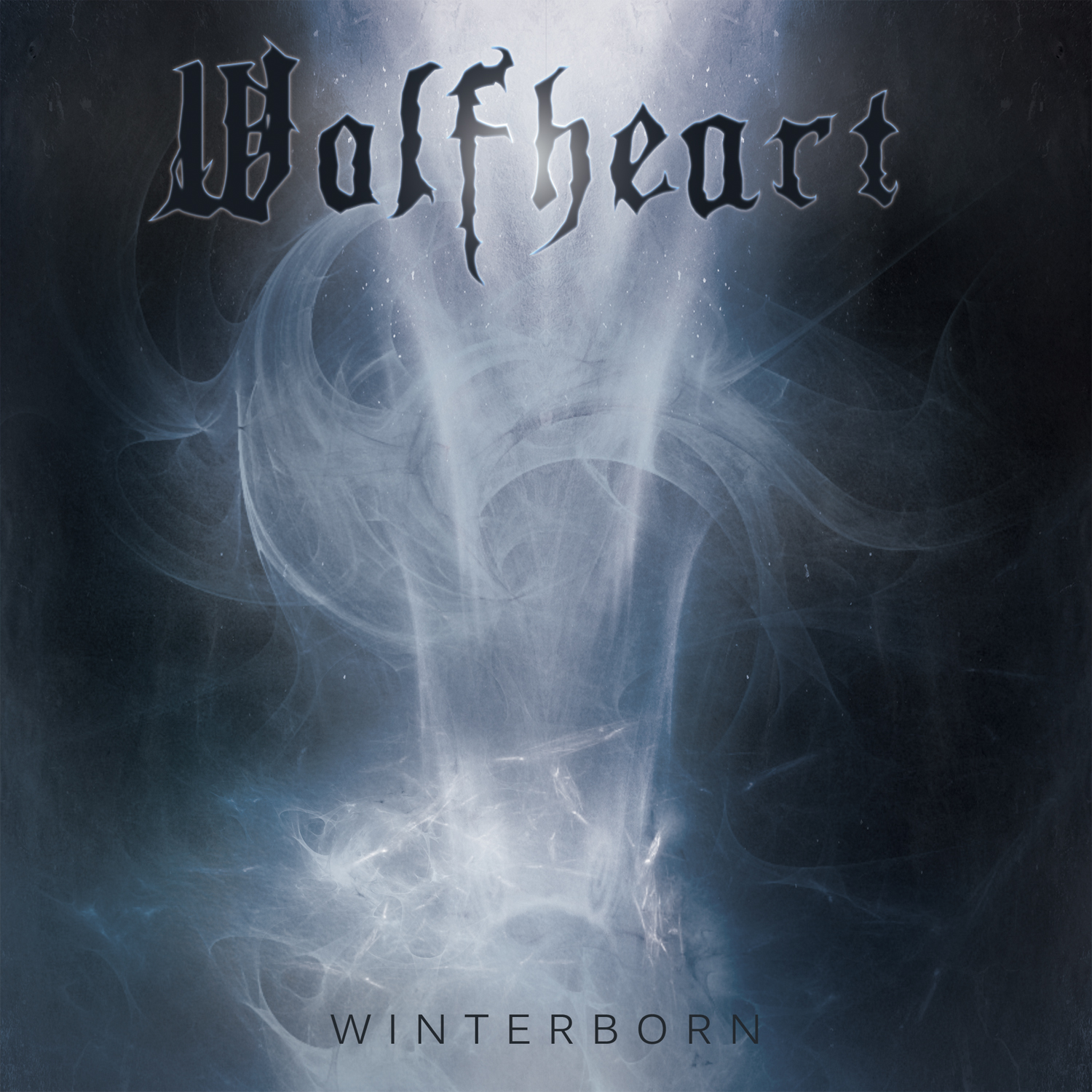
Fans who have followed the musical career of Tuomas Saukkonen have realized by now that it doesn’t matter much which band name he chooses for his banner or which musicians join with him from project to project. Whether the name is Before the Dawn, Black Sun Aeon, or Dawn of Solace, the music has been recognizably and dependably his own.

In January of this year Saukkonen announced that he was shutting down all of those projects, as well as Routasielu and Final Harvest. In their place, he created Wolfheart, and with the exception of a wonderfully talented guest who contributes guitar solos, it is Saukkonen who has written and performed all the music on Wolfheart’s debut album Winterborn. It is, therefore, very close to a completely solo project, and the album is once again completely dependable. It contains not one weak song. In fact, all of them are magnificent.

Fans of Saukkonen’s most popular project, Before the Dawn, can rejoice, because much of what was familiar and welcome in that band’s music are still present in Wolfheart. The same can be said to the fans of Black Sun Aeon, because the signatures of that band’s songs are present here as well. Which is to say that Saukkonen hasn’t broken the mold and sat down at the pottery wheel to shape something radically new with his hands. He has instead taken the best elements from what he has done before and interwoven them in this new work, while also finding ways to stretch his talents in new directions. Continue reading »

Sep 192013
 

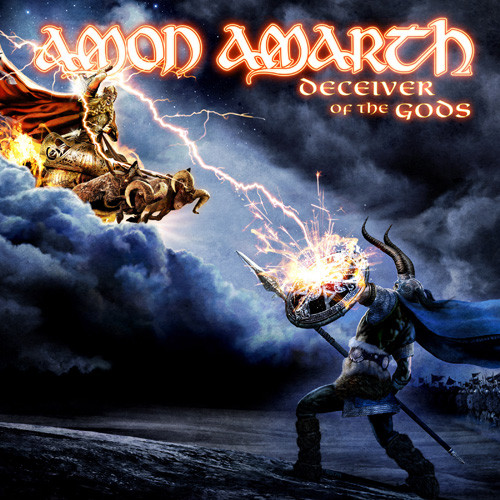
(To quote the legendary Orson Welles, “We will serve no wine before its time.” The time has finally arrived for the legendary DGR’s review of the latest album by the legendary Amon Amarth.)

If you are a heavy metal writer, at some point in your career there will come the moment when you cross paths with writing about Amon Amarth. It’s become a requirement, and something of a ritual, that at some point must discuss an Amon Amarth disc. Despite appearances that I’ve been metal blogging forever, I’ve managed to avoid this ritual, having handed off reviews in the past to people who absolutely loved their latest disc or were so familiar with the band that they could capably argue its quality and merits.

Amon Amarth have, at this point, ascended beyond being a band and have become a cultural staple – to an Iron Maiden degree. They’re a band people who don’t like heavy metal, or haven’t listened to much of it, will talk about as if they’re the greatest thing in the world. The sheer mention of Amon Amarth will cause people who have never heard of the band to act like it’s the coolest thing that they’re the Viking metal band. It is a gimmick to which the band have dedicated themselves to the fullest, and it has permeated their whole career to the point now that we often don’t actually talk about the music when we talk about Amon Amarth.

It’s worked for them so well that they’re beyond musical discussion, because we know that, at the very least, it will be an Amon Amarth disc. It sucks, too, because Amon Amarth have put out some fantastic music and some very high quality albums, so there really is always a discussion to be had about the band, beyond the fact they have a fucking longboat on stage. Continue reading »