Aug 062013
 

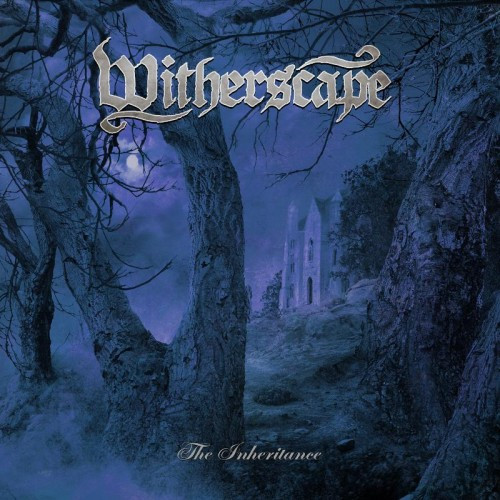
(TheMadIsraeli reviews the debut album by Witherscape, the highly anticipated joint effort of Dan Swanö and Ragnar Widerberg, which hits the streets today via Century Media.)

Without a doubt, the Swedish have an innate ear for metal of the melodic sort.  The Gothenburg scene, the forming of formidable death metal titans such as Bloodbath, Hypocrisy, and Grave, who retained a distinctly more melodic bent than many of their contemporaries, the proggy labyrinth-crafters like Opeth and In Mourning — all are testament upon testament to what can truly be called Swedish excellence.  When you tell people in a metal context that the music is Swedish, people tend to know exactly what you mean.  It’s melodic, yet retains a darkness and ferocity in a combination that’s distinctive.

If there were ever a single figure who sits on the throne of the Swedish pantheon, as the prime example of what I’m trying to describe, Dan Swanö is the man.  His musical endeavors, whether it be the groundbreaking Edge Of Sanity, his work in Bloodbath and Nightingale, his Moontower solo album, his influence has been staggeringly overpowering.  He has consistently produced music that is stellar, always at the top of its respective field.

Swanö has been on a hiatus for a while now, the last anyone heard from him being his collection of cover songs as Odyssey.  Now he has returned with a new album, with a new project named Witherscape, the album called The Inheritance.  It’s a concept album and one that will divide the Swanö fan base, to be sure, because this is a risky, unorthodox album for a figure best-known for his brutal yet melodic offerings. Continue reading »
Aug 062013
 

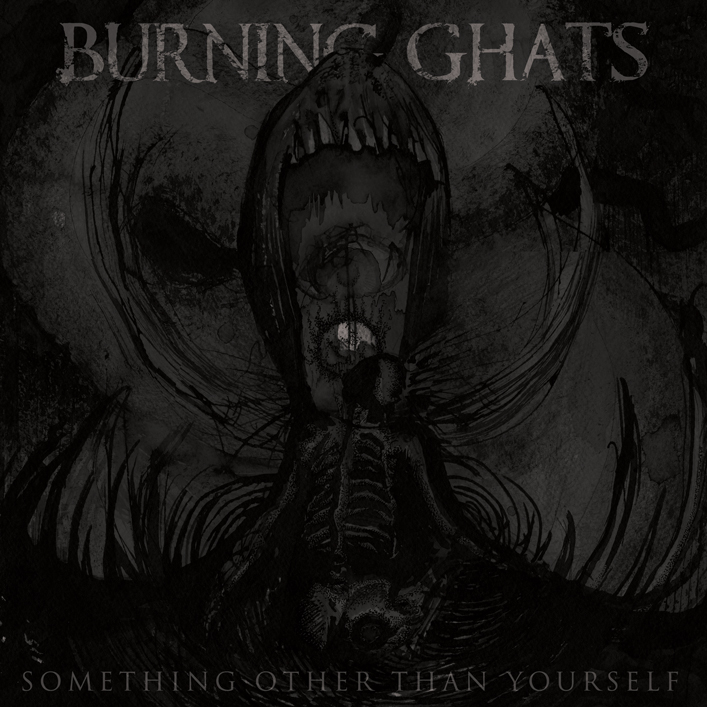
The one thing Vancouver’s Burning Ghats have always had going for them is the capacity to trigger an explosion of abrasive mayhem. They sound like they’ve got high-octane gasoline for blood that someone ignites with an acetylene torch right before they kick into gear. But as time has passed, they’ve become ever more interesting, and their debut album, Something Other Than Yourself, is their best music yet.

It takes a special kind of talent to rip through 10 songs in 20 minutes, with more than half of them coming in at slightly more than a minute or less, and have each of the songs sound like they mean something. They’re like members of a big violent family — you can see the DNA all the cousins share, but they’re each distinctive. Not that you’d want to have a sit-down dinner with this family, at least not without putting away the breakables and all the sharp things.

What they share: discord and dissonance, feedback galore, hardcore fury, crust-punk chords, kidney-punching bass, drums that clatter and hit the d-beat, and vocals bled raw, like a throat being cinched with barbed wire. (Oh man, are the vocals good.) Continue reading »

Aug 062013
 

(BadWolf reviews the fifth album by Sweden’s Watain, and their first on the Century Media label. It’s due for release on August 19 in Europe and August 20 in the US.)

With a series of critically-acclaimed albums under their belts, a dead-serious take on satanism, and a notoriously bloody live show, the members of Watain are the current poster children for European black metal. Deathspell Omega may be more artistic, and Alcest may make more palatable music, but neither of those bands land on the cover of Decibel magazine. Under this level of public scrutiny, many metal bands, and black metal bands in particular, stop producing excellent work. At this point, Watain is in the company of Cradle of Filth and Dimmu Borgir, who, like Watain, rode into success on the backs of powerful imagery, strong melodies, and a few good records, though they ultimately fell into the rut of overproduced kitsch.

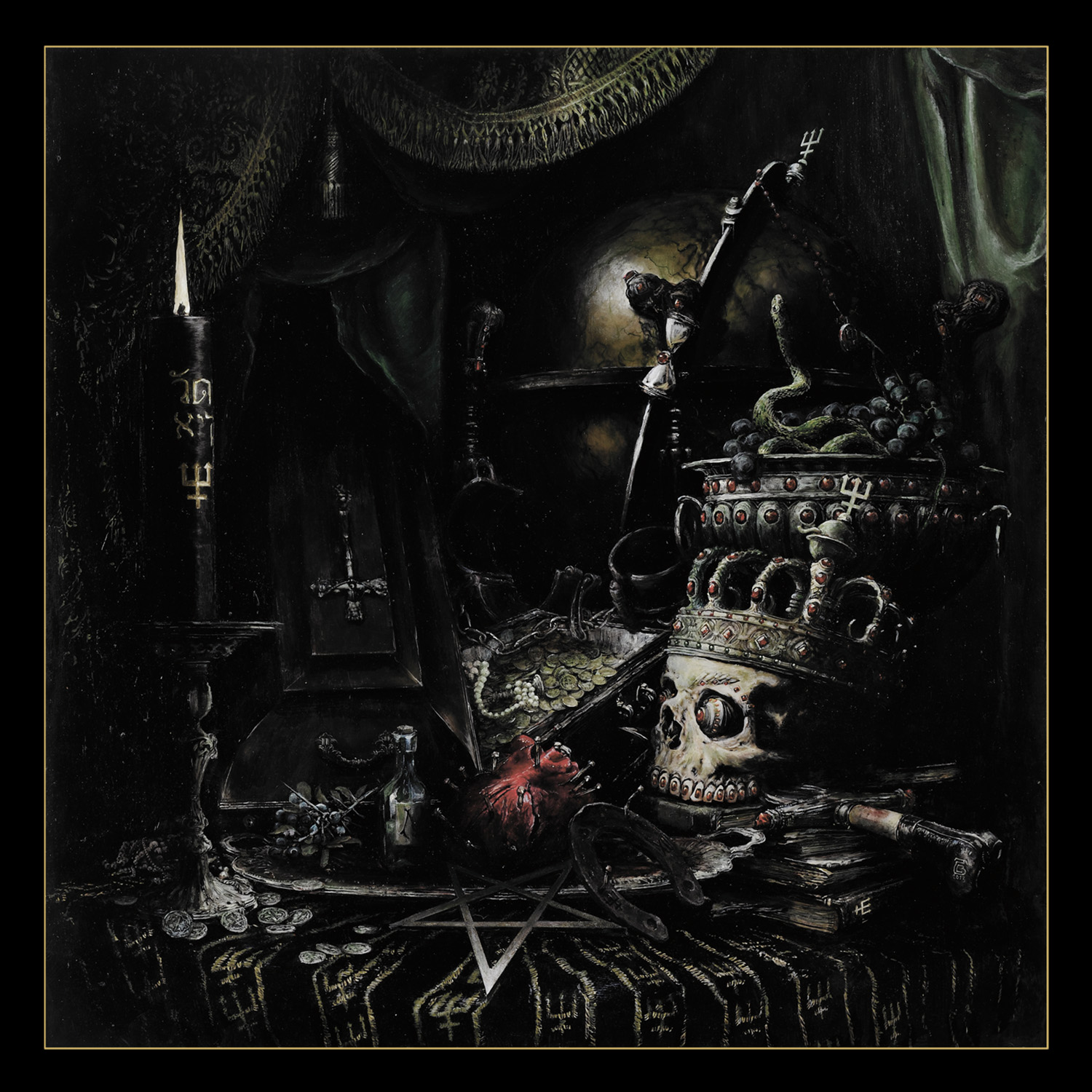
Judging by Watain’s fifth album, The Wild Hunt, however, these three Swedes won’t make the same mistakes. The Wild Hunt is a confident step outside of Watain’s comfort zone—one that dials down black metal cliches while taking more risks than they have before, and producing several excellent songs in the process. Continue reading »

Aug 052013
 

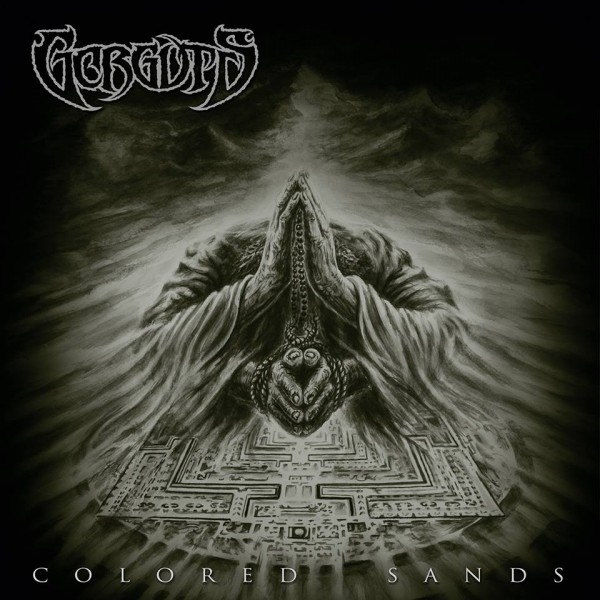
Luc Lemay clearly has a split personality. One of them is a modernist composer, capable of creating intricate, avant-garde pieces fit for performance by a chamber orchestra, but transposed to the standard gear of a metal band. The other is a ravenous beast the size of a house. Gorguts’ new album, Colored Sands, is the result of a beautiful partnership between those two unexpectedly amicable facets of Lemay’s personality.

But although Lemay may be the visionary-in-chief of this ground-breaking band, it must quickly be said that Colored Sands owes much to the other people he enlisted for the first Gorguts recording in more than a decade. Guitarist Kevin Hufnagel and bassist Colin Marston added their own string arrangements to Lemay’s compositions, in addition to each writing a song of his own for the album, and drummer John Longstreath stands out every bit as much, throughout the album, as the trio of other unusually skilled performers.

Given the impressive collection of talent behind the new release and the reverence with which Gorguts’ previous albums are discussed among serious aficionados of technical death metal, expectations for Colored Sands have been high. Under those circumstances, the current foursome would be forgiven if they had fallen short, but they didn’t. Continue reading »

Aug 042013
 

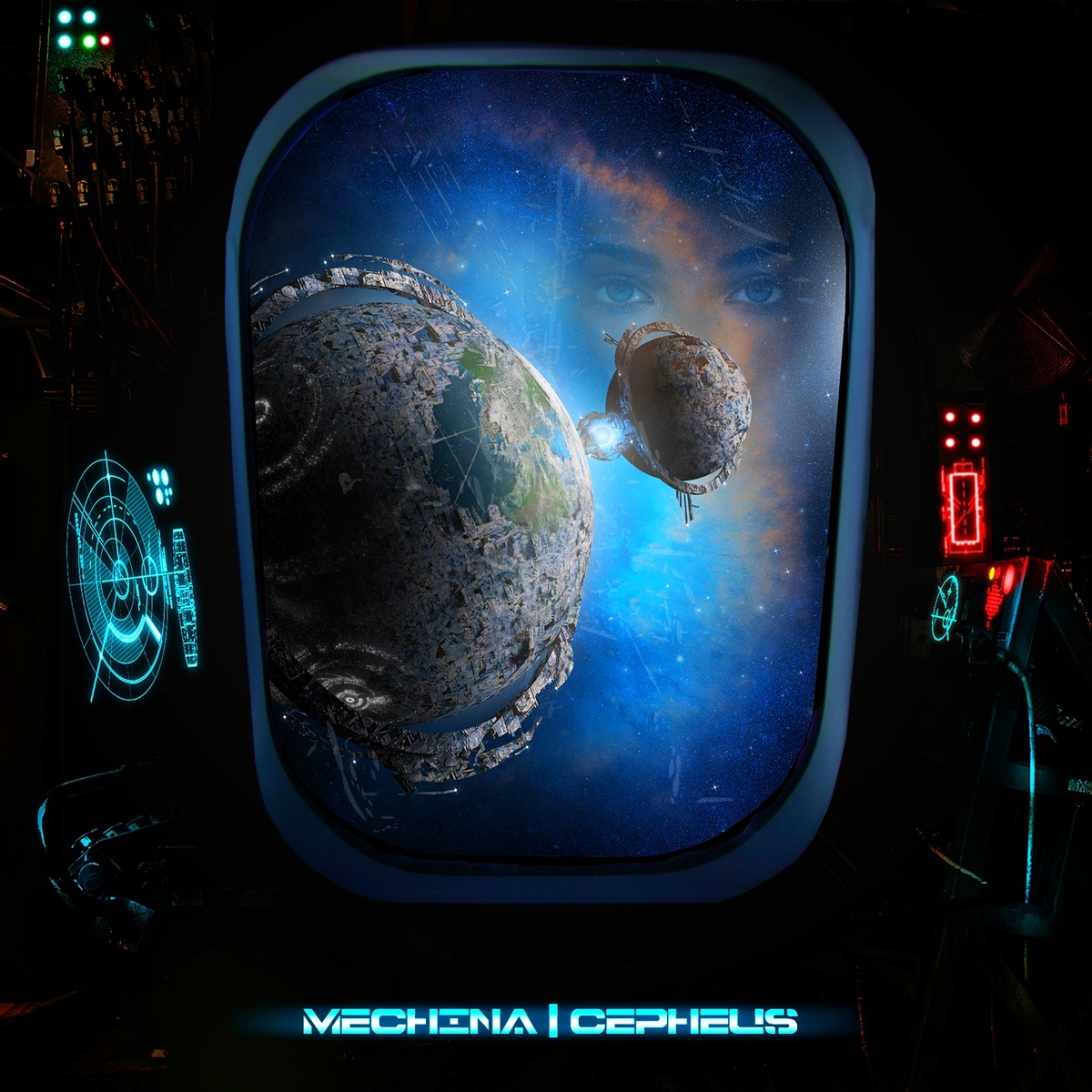
(DGR shares some thoughts about the new single from Chicago’s Mechina.)

Let me just take a quick breath and describe this song for you, as my reaction upon listening to it for the first time.

Holy shit.

It’s not often that you’re justified in describing a song this way, but my first run through the new Mechina song after having Empyrean in my hands for the better part of eight months was a great feeling. There’s something to Mechina’s hybrid of symphonic elements with industrial death that provides constant moments of absolute excitement. When I first heard the band with Andromeda I felt the need to post about that song almost immediately, and since then I’ve found one or two songs that I can’t help but be incredibly excited by on each release.

I thought they had almost peaked with “Anathema” and “Elephtheria” off of this year’s Empyrean, but then the violence of “Cepheus” hit, and my excitement for anything new by these guys reached a fever peach once again. Continue reading »

Aug 012013
 

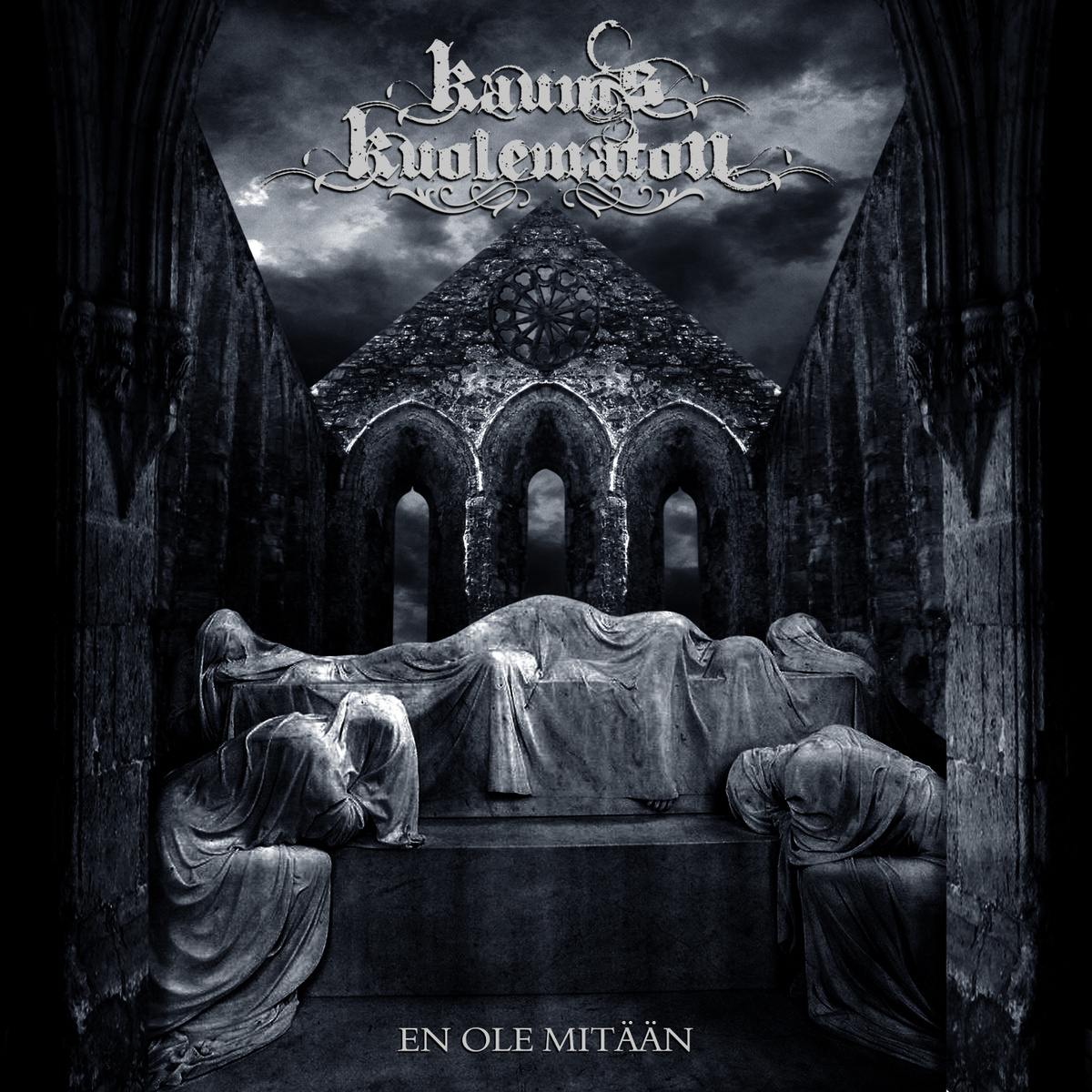
Kaunis Kuolematon are a Finnish band with current or former members of Black Sun Aeon, Sinamore, and End of Aeon, who have released three songs so far in their brief career. Two of them appeared on a self-titled EP in November 2012 and the third is a single released in June of this year. Both the EP and the single are available on Bandcamp for a pay-what-you-want price.

The new single — “En Ole Mitään” (I Am Nothing) — is the best of the three songs, and it’s really good. In fact, it’s so good that I’ve added it to the list of candidates for our year-end selection of 2013’s most infectious extreme metal songs.

The musical style is the kind of melancholy, doom-influenced melodic death metal that should appeal to fans of bands such as Swallow the Sun, Before the Dawn, and In Mourning. It slides back and forth between soft, sorrowful passages carried by the strong, clear tenor voice of Mikko Heikkilä (ex-Black Sun Aeon) and heavy sections in which concrete-slabbed riffs rain down and Olli Suvanto (End of Aeon) howls in anguish or roars like some void-faring behemoth.

The guitar-driven melody, which feeds both the soft and the heavy measures and is enhanced ever so slightly by what sounds like an occasional synthesizer backdrop, is sublime — and highly memorable. Continue reading »

Jul 312013
 

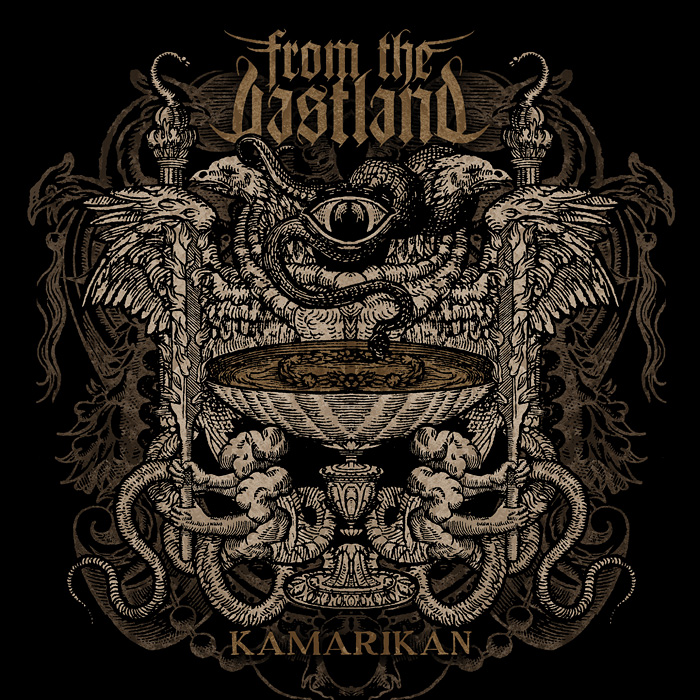
(In this post Andy Synn reviews the second album, released earlier this year, by Iranian one-man project From the Vastland.)

When it comes to writing about albums from further afield – in particular those somewhat removed from the terrifying hegemony of Western imperialism (cue scary music) – there’s an occasional tendency for reviews to offer up the sort of opinions that are ultimately damning with faint praise, in the guise of being positive and supportive.

All too often I’ve seen reviewers focus on the “hardships” or “difficulties” of being a metal band from a country where the political or religious climate is far from conducive to it, to the extent that the actual quality of the musical output is considered only as a secondary factor.

Now I’m not saying that Metal should be a genre confined solely to the privileged few of the First World, but what I am saying is that excusing an album’s lack of quality because of its creators’ circumstances is akin to saying “that was good, for a girl” – condescending and ultimately unhelpful. You shouldn’t write a review if you have to lower your standards to give it a positive appraisal. It does everyone involved a disservice.

Thankfully, there’s no such issue with Kamarikan, which is a nasty little phenomenon in its own right. I just felt it was something to bear in mind for the future. Continue reading »

Jul 292013
 

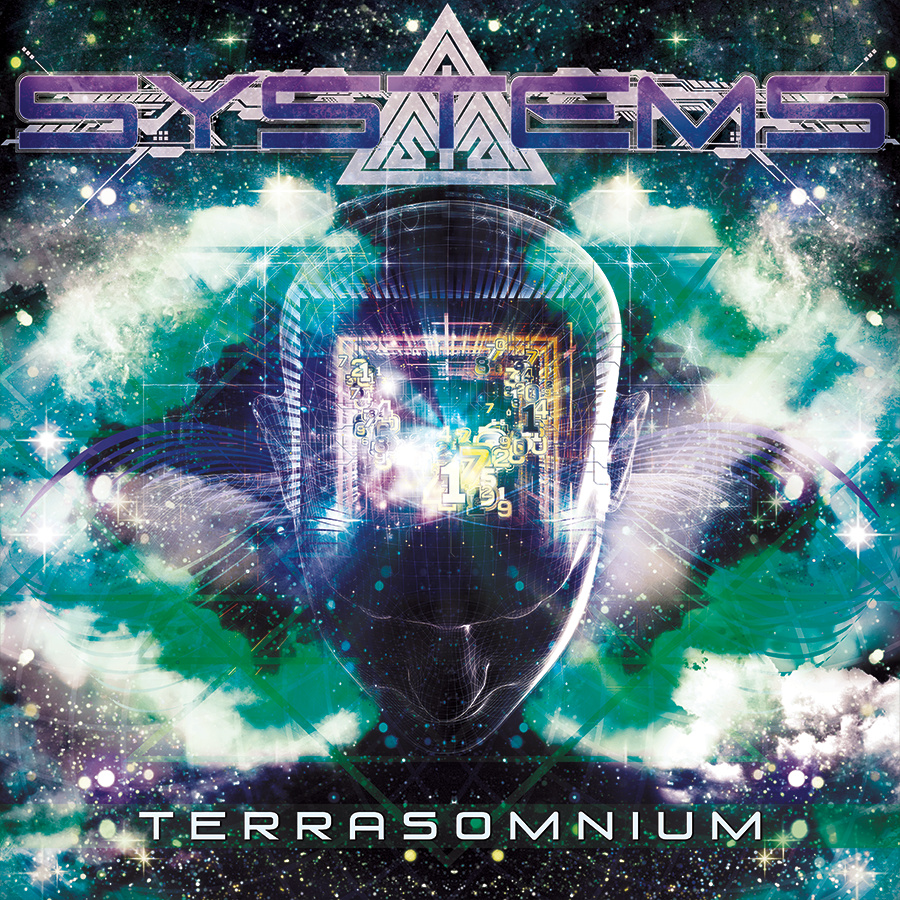
(NCS contributor Austin Weber looks back again at 2012 albums he first discovered in 2013, putting the spotlight on three U.S. bands — Systems, Epistasis, and Singularity.)

I know I already did one of these posts but here’s one more with the three bands I found after my first Remnants article. Each band is completely different but worthy of your attention. All of them have new music or tours in the works that makes them relevant in the present as well. Unfortunately, this post was delayed by a few months since I’ve been too busy to work on writing much. Without further ado, on to the bands and enclosed music!

SYSTEMS – TERRASOMNIUM

A lot of bands are djenting it up these days, and understandably patience grows thin due to the gluttony of mimicry. Most djent bores me because a lot of bands are not bringing anything of their own to the table. One of the best djent bands I’ve heard recently has to be Systems. Sky-high on their own supply and clearly off on their own insidious, shred-heavy, groove-structured tangent.

Systems is technical, lead-heavy djent with a death-metal flavor and spacey jazz interludes and more solos then you can shake several sticks at. Their uniquely mechanical, overflowing guitar leads further set them apart from your average djent and are often what propel the songs forward, though their groove-centered backbone is earth-shakingly heavy as well. Continue reading »

Jul 272013
 

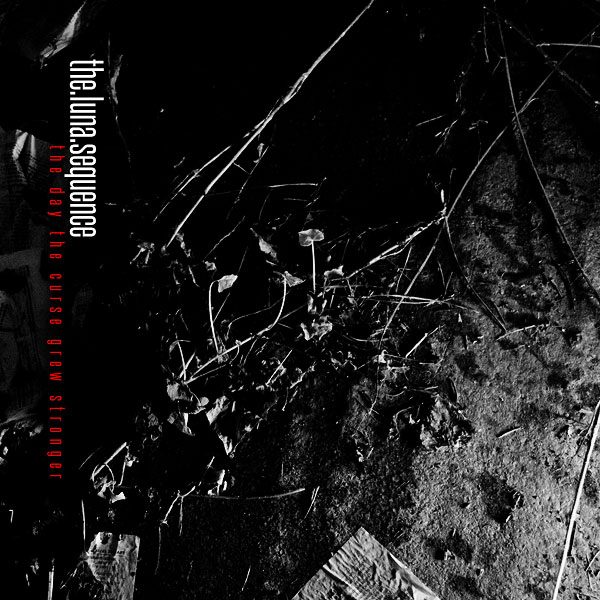
(In this post DGR takes us off our usual beaten paths with a review of the latest album by The Luna Sequence.)

We’ve been on a hell of a reviewing streak lately here at NCS, our front page resembling the inside of a Revolver review section the past week. It’s been pretty cool, but also reflective of the fact that we’ve had a lot of heavy metal hitting our eardrums lately – my own having about eight different CDs cross their path at once (five of which got covered, the others picked up by fellow writers on the site). As a result, I’m taking a bit of a breather with this review to talk about a project that I really enjoy.

It’s an indulgence, if you will. It’s most definitely not metal. Folks who have been with us for a while will remember that we have covered this band before. I did so on a whim, to expose some of my musical tastes outside the realm of heavy metal, such as a very, very light enjoyment of some electronica music – mostly of the variety that hybrids with rock music. If I fish out my armchair psychology degree that I received for spending over ten minutes on the internet, then I’m sure that’s because I enjoy industrial music as well, and the two often overlap.

Because of the previous writing, some of you may recognize The Luna Sequence name, a solo instrumental electronica/rock project belonging to Kaia Young. One of the reasons that I’ve been drawn to this specific project has been its success in fusing electronic music with light heavy metal songwriting. Earlier works were heavily synth-focused and felt like electronic tunes initially that later had heavier elements added on top of it. However, more recently, with the previous This Is Bloodlust release and now this disc — The Day The Curse Grew Stronger — things have taken a heavier turn. Now the songs feel like heavy metal tunes written using electronics and a guitar, metal song structures put through an electronica filter, and it works really well. If you’re looking for something a little different then indulge me as I try to explain further why I’m drawn to this project so much. Continue reading »

Jul 262013
 

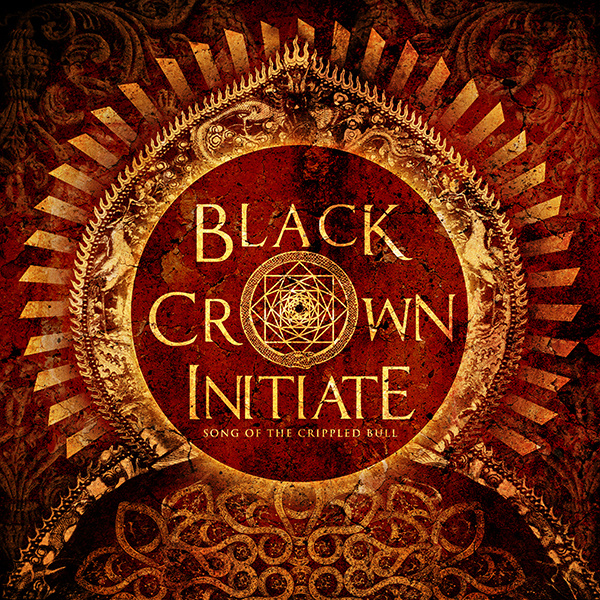
(TheMadIsraeli reviews the stunning debut EP from Black Crown Initiate of Reading, Pennsylvania.)

I feel like sometimes it’s up to us metal bloggers to take responsibility for making sure some bands get more air time.  There are some bands for which the ignorance of their existence should almost be criminal.  Black Crown Initiate is one such band.  Hailing from Reading PA, Black Crown Initiate are hard to describe or classify.  Equal parts death metal, black metal, and progressive rock, their sound channels hints of lots of what I’ll call the “right” influences, ranging from Opeth, to Daylight Dies, to Behemoth, Anaal Nathrakh, and Ihsahn’s solo work.

The band’s debut EP, Song of the Crippled Bull, is an epic four-part suite of progressive death metal sanctity that shouldn’t be ignored.  The utter brutality matched with a sense of grandeur and melodic reprieve is immensely impressive.   Combine this with a sound that merges old and new schools of thought seamlessly and you have a band to watch not only now but in the future.

Song of the Crippled Bull is in fact one song split into four parts.  What’s impressive is that these four sections are very distinct from one another, which made it even cooler to me when the band looped back around at the end to close on the very section on which the EP starts. Continue reading »