Jul 262013
 

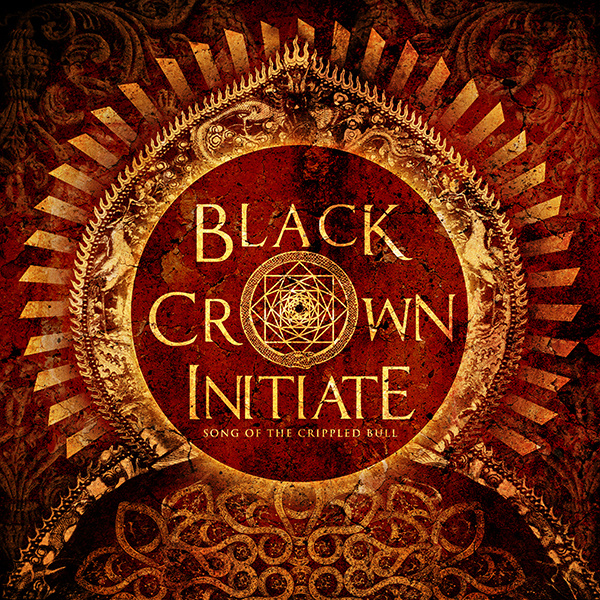
(TheMadIsraeli reviews the stunning debut EP from Black Crown Initiate of Reading, Pennsylvania.)

I feel like sometimes it’s up to us metal bloggers to take responsibility for making sure some bands get more air time.  There are some bands for which the ignorance of their existence should almost be criminal.  Black Crown Initiate is one such band.  Hailing from Reading PA, Black Crown Initiate are hard to describe or classify.  Equal parts death metal, black metal, and progressive rock, their sound channels hints of lots of what I’ll call the “right” influences, ranging from Opeth, to Daylight Dies, to Behemoth, Anaal Nathrakh, and Ihsahn’s solo work.

The band’s debut EP, Song of the Crippled Bull, is an epic four-part suite of progressive death metal sanctity that shouldn’t be ignored.  The utter brutality matched with a sense of grandeur and melodic reprieve is immensely impressive.   Combine this with a sound that merges old and new schools of thought seamlessly and you have a band to watch not only now but in the future.

Song of the Crippled Bull is in fact one song split into four parts.  What’s impressive is that these four sections are very distinct from one another, which made it even cooler to me when the band looped back around at the end to close on the very section on which the EP starts. Continue reading »
Jul 262013
 

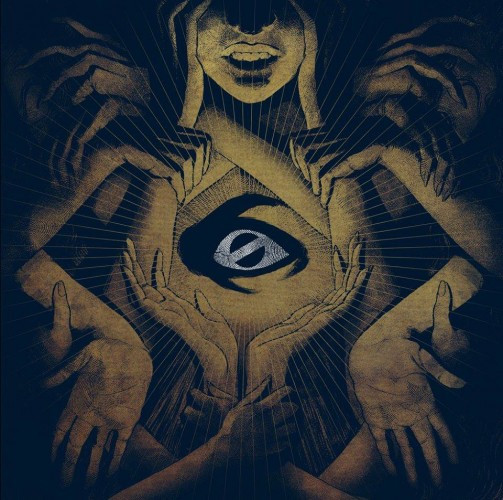
(TheMadIsraeli reviews the just-released new album by Misery Signals.)

Misery Signals are an often underrated and even oft-forgotten tidal wave of force within the metalcore realm.  These guys practically (in my estimation) put technical/progressive metalcore on the map as a “thing” and really set a standard with their debut, close to the genre’s stagnation point — the standard being that you had to do what Misery Signals did, or no one was going to give two fucks about your two-step teeny-bopper crooning.  As evidence of this, so many of the metalcore bands who have survived have been ones who took pages from the Misery Signals playbook.  I would even say that many bands in the so-called “tech metal” UK scene (rightfully criticized by my co-writer Andy Synn) owe as much to this band — except Misery Signals left out the bullshit choruses that pine for commercial adoration and they have a much more refined sense of technicality, both in performance skill and as songwriters.

I say all this because despite how significant this band is, they are criminally dismissed all too often. Absent Light is the band’s latest opus, completely funded from an unexpectedly insanely successful Indiegogo campaign, and it shows the band at their most mature, most morose, most technical, and most intense, all at once.  And that’s the thing about Misery Signals, as opposed to other bands who’ve tried to copy them:  They have intensity, a passion that floods every part of their music.  The technicality and chaos aren’t there for the sake of it; they convey the sincerity that these guys have always had behind their material.

Absent Light is really fucking heavy.  Even when the band are engaging in some of the lighter maturations of their sound (the album makes constant references to prog and post-rock) and aren’t beating you to a pulp, they are only ever building up to it.  Their constant use of thrashy rhythms, jazzy, proggy, rich chord progressions and a taste for melody that resides in a weird limbo between introspective and dissonant/depressive drag results in an album that is quite varied, not just song to song but section to section within every song. Continue reading »

Jul 262013
 

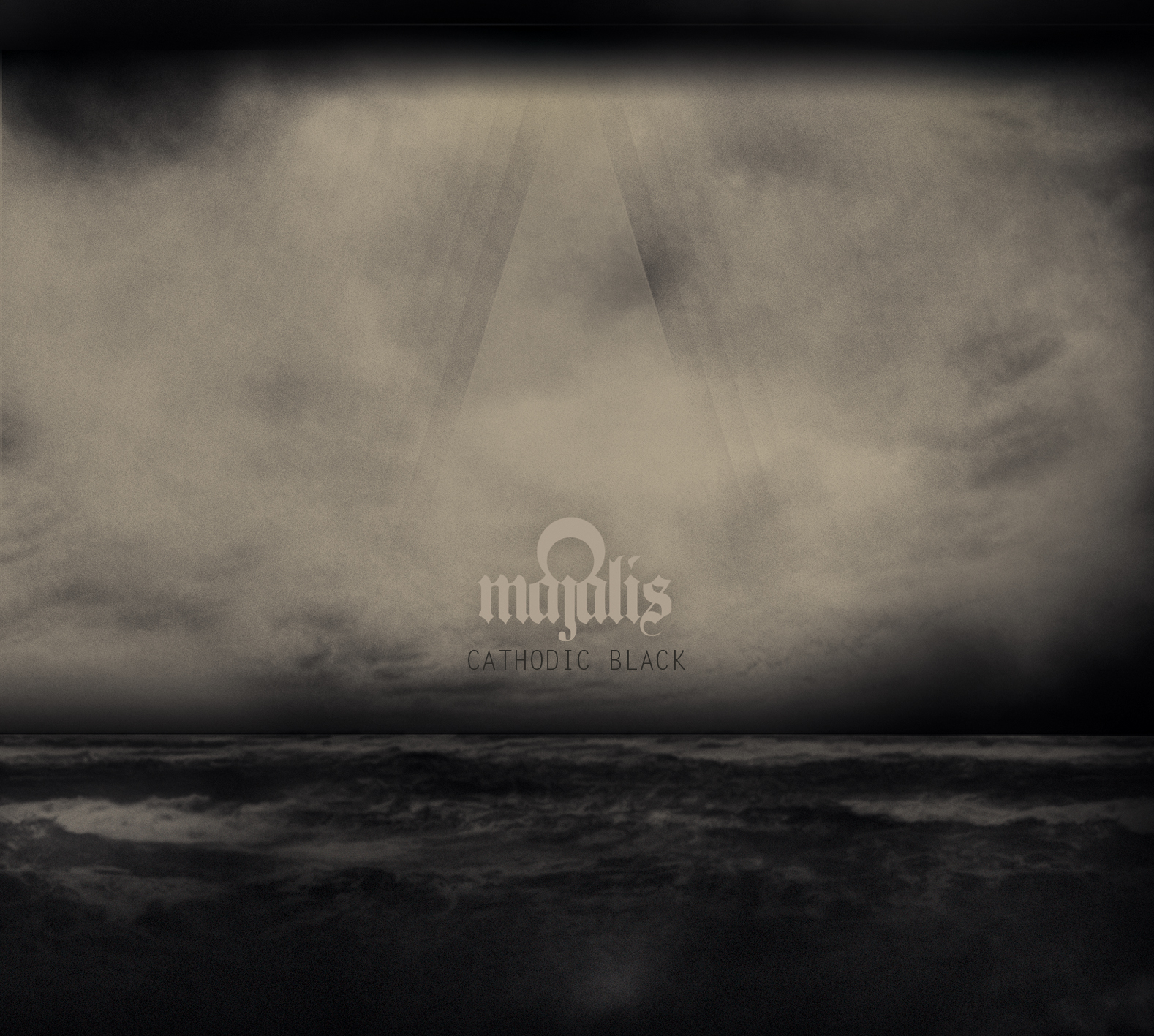
Majalis is one of those “after work” side-projects whose debut release leaves such a powerful impression that one can only hope, fervently, that it continues. It began years ago as a songwriting collaboration between two of In Mourning’s guitarists, Tobias Netzell (ex-October Tide) and Björn Pettersson. Eventually, they enlisted vocalist/bassist Daniel Jansson and drummer Jonas Martinsson and recorded Cathodic Black, an EP released earlier this month by Pulverised Records. And together, they’ve created something wonderful.

If you’re familiar with In Mourning, you know that Netzell and Pettersson are experienced in dropping the weight of oceans upon listeners while interweaving melodies that have a way of sticking fast in the memory. They do something similar in the three long songs that make up Cathodic Black, but have stepped outside the realm of dark melodic death metal to do it. This time they’ve moved into the territories of post rock, sludge, and doom.

The weight of the mid-paced music comes via massive, fuzzed-out, doom-drenched riffs and a drum-and-bass duo that can really bring the heavy lumber when they put their minds to it. But the music is also a study in contrasts, and the power and intensity of the passages when Majalis starts to crush is magnified by the softer measures that often precede them — the beautifully somber piano piece that begins the EP, the isolated guitar strumming and echoing percussive sounds within “Rusting Sun”, the contemplative guitar duet in the middle of “Tooth and Bone”, and other similar moments when the band dial back the intensity. Continue reading »

Jul 252013
 

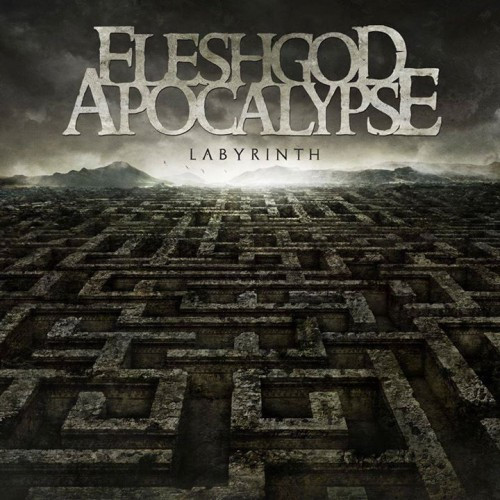
(Andy Synn reviews the highly anticipated new album by Fleshgod Apocalypse.)

It’s amazing to think that these Italian extremists, who only really started to make waves within the underground with 2009’s Oracles, are now already on their third album.

Following the over-indulgence of Agony, Labyrinth finds the band more at ease in their own skin – not exactly comfortable, in the sense of resting on their laurels, but definitely imbued with a quiet confidence – something that allows them to simultaneously both push the envelope in terms of their symphonic embellishments and give more depth to the crunching, death metal aspect of their sound (something that critics have, in the past, criticised for being almost a secondary concern behind the orchestral and operatic frippery).

Fundamentally a brutal and brilliantly punishing listen, Labyrinth is actually far cleverer and more delightfully esoteric in places than the band are often given credit for. And, despite the devastating shock and awe on display, it’s also more interested in leaving a lasting impression, rather than simply impressing, and is all the more impressive for it.

Once you’re past the initial shockwave, you’ll find that the key to the band’s success is not just a product of their blitzkrieg sonic assault, but an often underappreciated ability to find a balance point between operatic pomp, symphonic melody, and death metal brutality, allowing the subtle undercurrents of each song to insinuate themselves into your subconscious.

Continue reading »

Jul 252013
 

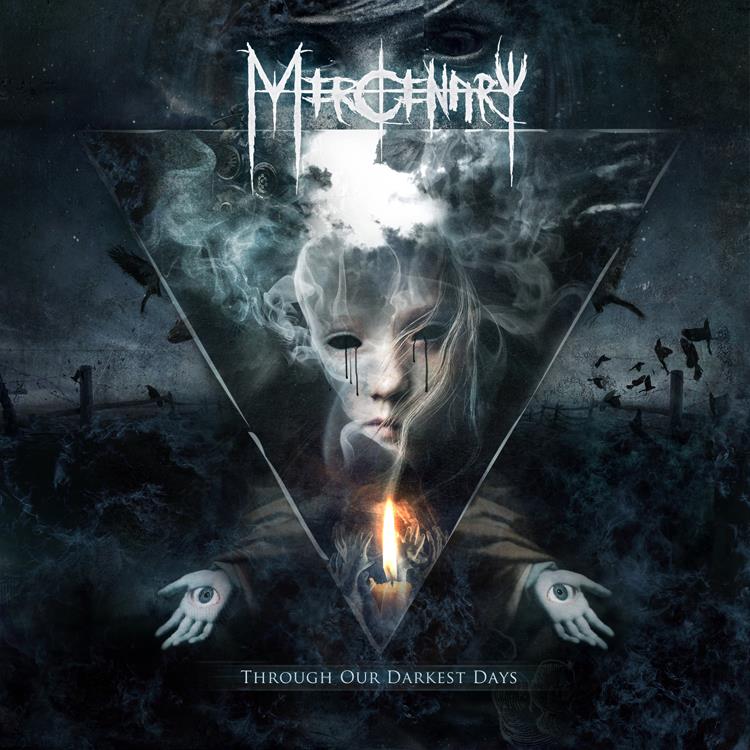
(DGR reviews the new album by Mercenary, and following the review you can stream the whole album.)

Two things come to mind when discussing Mercenary these days: One, that the band are releasing their seventh full disc and are still slamming their heads up against the glass ceiling of popularity. Mercenary are one of the best gateway bands for heavy metal in all senses, with powerful singing and songwriting that take them not only through heavy metal but a wide variety of its sub-genres as well. They can move from death metal to power metal in the blink of an eye. That people still turn to radio-friendly schlock as the heaviest music they’ve ever heard rather than Mercenary is truly an exercise in stupidity.

Two: Although the band basically asked for a hard reset (which is something you do by naming your disc Metamorphosis, or by pulling a Before The Dawn and using the Phoenix theme, releasing one album with a new lineup, and then killing the project) after two of their members bailed (the voice of the band at the time, Mikkel Sandager, and brother/keyboardist Morten), it is still incredibly difficult to divorce the band from their prior legacy.

Metamorphosis was a good album and it introduced the world to a slimmer, scrappier Mercenary, but it still drew comparisons to earlier highs such as The Hours That Remain and 11 Dreams. In the face of albums like those, Metamorphosis had a deck stacked against it.

Now we’re one album removed from that and about to hear the band’s latest effort, Through Our Darkest Days. Now that the band are stable again and have gotten used to songwriting as a smaller unit, what effect has that had on the sophomore release of lighter Mercenary? Have they become a nostalgia act? Did they pull away from the gravitational effects of their prior discs? Did they top Metamorphosis? Did they just put out a second Metamorphosis? Question Mark? Continue reading »

Jul 252013
 

(NCS contributor Austin Weber is back with us, putting the spotlight on a Kentucky band named littledidweknow.)

As any fan of music should know, personal taste is the biggest indicator of what we enjoy. The merits of good and bad are debatable, and so it’s always amused me to see the hordes come out of the woodwork to wield the word “masturbatory” with an unrighteous vengeance. Unfortunately, that subset of metal fans simply don’t understand that music can be technical with a purpose and not just for show.

More then anything, it comes down to songwriting skill, but it’s also a matter of personal preference — how each of us individually perceives the aesthetics (a particular genre/style) of music in relation to why we consider music to be good or bad. For people like me, it’s a matter of enjoying how these bands come up with interesting yet unconventional rhythms and the way in which they often revolve around complex, unique song structures.

Enter littledidweknow, a top-tier local act from my hometown of Louisville, KY. This is nowhere near run-of-the-mill, trying to play a style of local metal. littledidweknow is a band intent on a unique sound not constrained by one genre. Lucid Happenings is the result of a band who have been writing, playing live, and developing over several years, leading to an eclectic, intricate album with nary a moment of filler in its 48-minute run time. The experience of listening is disturbing on so many levels, and only grows better with repeated listens as you take everything in. From start to finish, littledidweknow deliver a sickening, ever-shifting ferocity, bound in technical, non-linear songwriting. Continue reading »

Jul 242013
 

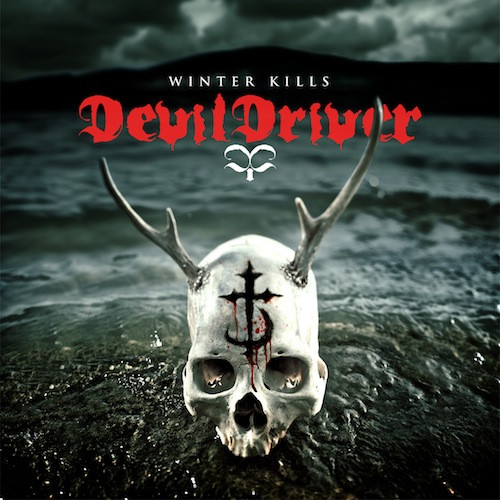
(DGR has been a reviewing machine lately, and here’s another one. At the end of the review we’ll also give you details about a just-announced North American DevilDriver tour with Trivium, After the Burial, and Sylosis.)

Before we begin: A career retrospective and my own personal feelings on each disc to help explain why you’re seeing DevilDriver on this site.

I was one of the people who got into Devildriver with their debut release. I had been aware that they were the new project of the lead singer of Coal Chamber, but I wasn’t the type to begrudge him for having been in a band I didn’t quite enjoy. I was late to the party, one of the people who saw “I Could Care Less” pop up on Headbanger’s Ball. I thought their first disc was a pretty heavy release, trapped somewhere between a three-way pull of nu-, groove-, and -core metal.

2005’s The Fury of Our Maker’s Hand saw the band making a conscious effort to change things up and play with their sound, though it seemed to come by way of a million different guitar pedals and not much else.

Like clockwork, the group returned two years later with an album that I think they fucking nailed it on, with The Last Kind Words. The album went straight into groove territory, with flashes of death and speed for good measure. Many of the songs were highlighted by punishing drum performances, and they really stepped up the guitar game. This is also about the time when all the videos of massive circle pits at their shows found their way to YouTube. I guess we really do reward good stuff. Continue reading »

Jul 232013
 

(DGR reviews the swansong album by England’s Returning We Hear the Larks.)

Returning We Hear the Larks was one of the many guitar projects that really gained steam in late 09/early 2010. The brainchild of one young guitarist Jak Noble, it first came to my attention as one of the many solo guitar projects that were then being released for free. Come to find out, I was ridiculously late, as this specific train had long since left the station and kicked a whole slate of material out from the then still-new concept of a bedroom guitar prodigy’s studio.

Yet, there I was, checking in with the disc Ypres, which dealt with a famed World War I battleground. The music was decidedly djent, but something about it really caught my attention. Maybe it was that Jak had already developed an amazing sense of ambience and was using it to build pictures with sound – managing a very difficult feat of making the music actually evoke something.

Maybe it was partially the note he attached to the disc about how he had lost it at said battleground and felt he had to do something with the rush of emotion that hit him. I always felt that specifically suggested that Returning was something far deeper and more mature than simply another multi-string dick-waving affair.

When he turned around and added vocals to the next release, an EP known as Proud England, I found myself initially skeptical, but surprisingly it worked out. Jak proved to have quite the set of lungs on him, for a good, harsh high scream and a decent low. Little bit of an awkward singing voice, but nothing so offensive as to subtract from the excellent music underneath.

Another thing that differentiated Returning from other groups of similar ambition was that Jak never made it as prolific as other projects. Some serious time passed between his previous Returning release (the single Line-Trap) and this one, 2013’s late-June release, Far Stepper/Of Wide Sea. Given my childish gushing about this project in the opening you’d better believe that I was excited about this one. Continue reading »

Jul 222013
 

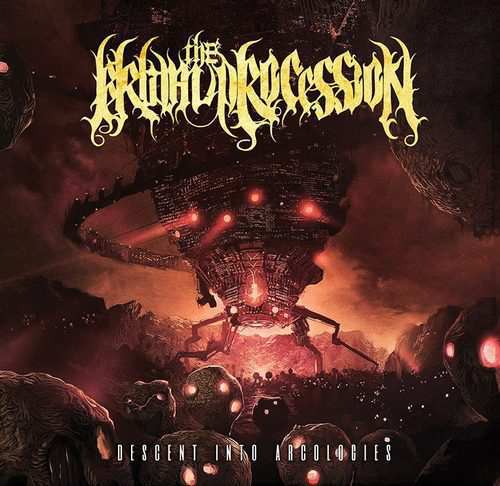
(Andy Synn reviews the new second album by Parisian metal band The Bridal Procession.)

Two words: Symphonic deathcore.

…

…

…

There, now that I’ve cleared the room, the rest of us can talk privately.

I suppose that first line was like a red rag to a bull, or a canary in a coal mine (some sort of metaphorical animal anyway), to some people. Priming their rage, or warning them off, well in advance.

It was, however, also a little bit misleading. The (now sadly defunct) French band generally err closer to the “Death” than the “core” side of the equation, and their first album Astronomical Dimensions was a veritable kick in the teeth of bone-crunching Behemoth bludgeon and gruesome Whitechapel groove, with some fantastically menacing symphonic flourishes.

There’s still enough stylistic elements, if you’re a genre-Nazi like me, to stick the band with the “Deathcore” tag – despite the fact that a certain proportion of their fanbase is insistent on referring to them as “Progressive Death Metal”. But for me there’s no shame in being “Deathcore” when your material is this strong and your album itself provides a compelling argument for the existence of the style! Continue reading »

Jul 222013
 

This past weekend I saw two pieces of news concerning the otherworldly black death entity known as Ævangelist, about whom we have written frequently. First, it appears the band have finished recording a new album, Omen Ex Simulacra, which will be released later this year by Debemur Morti. Be afraid. Be very afraid.

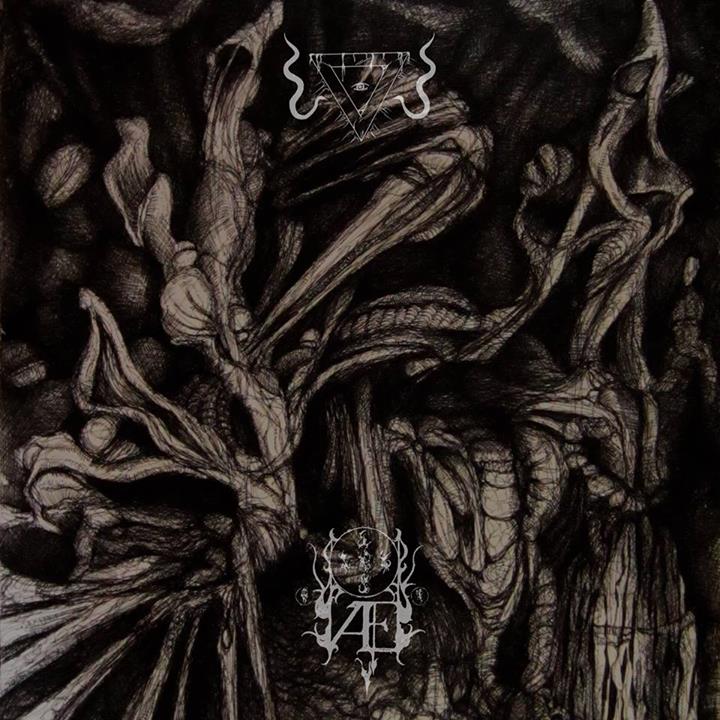
Second, I saw that in the coming months an Australian label named Aurora Australis Records will be releasing an Ævangelist split with a Philadelphia black metal band named Esoterica . The artwork for it, created by Ralph Stewart, is displayed at the top of this post. Esoterica will be contributing three songs, including one on which MkM of Antaeus and Aosoth will be making a guest appearance. Ævangelist’s track is called “Omniquity”, and they posted it on YouTube yesterday.

It may only be one track, but that one track is the length of at least an EP: 22 minutes, 21 seconds. It’s a dense, harrowing, atmospheric piece, often violent and always unsettling. Yet for all its destructive power it exerts a strange hypnotic hold on the senses. Continue reading »