Apr 302013
 

(NCS contributor Austin Weber reviews the new album by Agrimonia., which is being released today by Southern Lord.)

It can be very exciting to stumble onto a band who are new to you part-way through their career. When that happens you have no preconceived notions, no expectations, and are not comparing what you’re hearing to what you’ve heard before. Which is not to say expectations are bad, but they can lead to a bias that may affect how you perceive new music by groups you enjoy. Such was the case for me with the Swedish bastards of Agrimonia, who had two full-lengths under their belt by the time I first heard “Talion” courtesy of a Pitchfork premier. They are clearly in the class of bands who are identified as, and make music labelled, “post-metal”, but they deliver their take on it in a way uncomparable to all but maybe Downfall of Gaia (who compose their music from a similar palette of influences).

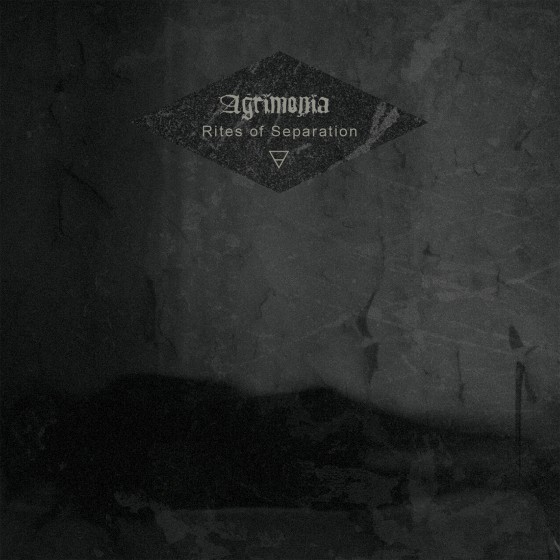
Rites of Separation is a gnarled mass of thick sludge riffs that torture at a glacial pace, hoarse ear-splitting vocals, atmospheric black holes, and subdued keyboards. As a group, Agrimonia have shied away from the biggest trope found in post-metal: A near exclusively slow-tempo framework that lends itself to meandering because there is nothing contrasting against the sloth-like pace. Their music is as uncomfortable as it is riveting, most of which stems from their unparalleled sense of dynamics. Agrimonia arrange their music in peaks and valleys, a la post-rock, which allows for fast, hard-hitting parts as a wise contrast to the softer, slower melancholy, a dichotomy of grace that allows them to cover a wider range of sonic expressions than most. Continue reading »
Apr 302013
 

(In this post TheMadIsraeli reviews the new album by Arsis, which is being released today.)

Arsis are one of those cult bands who really should be getting more acclaim in the metal world than they do.  Time and time again, James Malone has proven himself to be not only an iconic metal front man, with his raptor-like, wrist-slitting screeches and his capacity to execute virtuoso-level technical riffs, but also an ingenious musician.  The band have always been a fine example of melodic death metal that truly is classical in its nature, especially with the absolutely insane counterpoint for which James Malone has become known in dual-guitar displays.  He’s been through a revolving lineup, but this band is his, and because it’s his, it’s always been truly Arsis at its core — a band with an identity — though his experimentation with differing bandmates has been considered a mixed-results affair by many, most of whom were enamored by the band’s arresting debut A Celebration of Guilt.

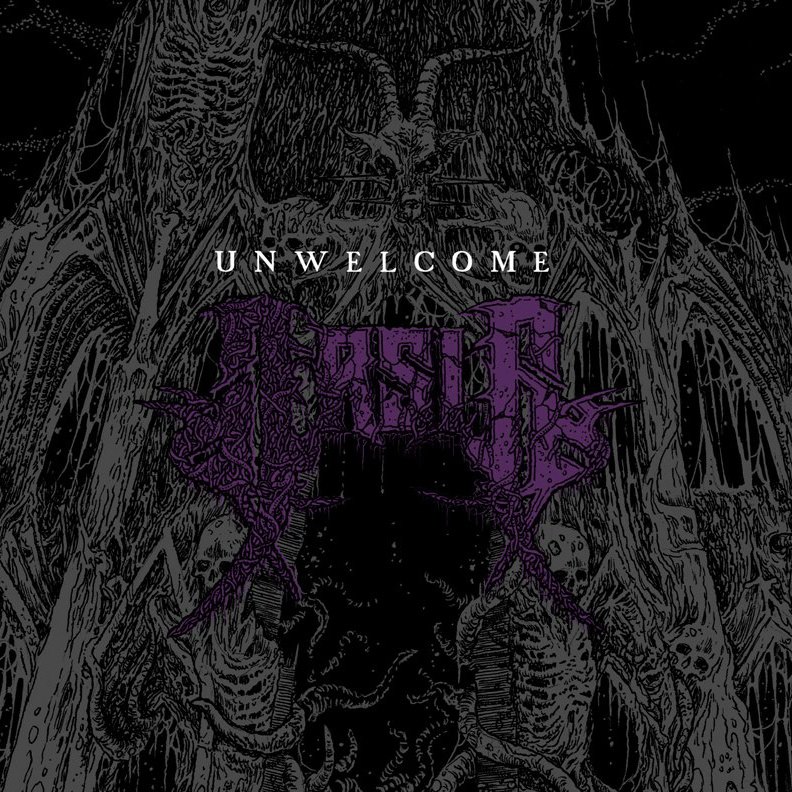
To a lot of the Arsis fan base, Unwelcome was an album that had to shoulder the burden of making up for Starve for the Devil, a release that many saw as one of the band’s weakest efforts.  I liked that album, but I could see where it might’ve turned some people off with its thrashier direction and a production quality that didn’t exactly help convey the music’s force.  We got a taste of what was in store with the band’s excellent Scion A/V EP Lepers Caress (still freely downloadable here), a delightful sampler that saw Arsis playing faster, hitting harder, and pushing technical limits in a way that hadn’t been heard in a while.  Unwelcome not only cements the impression at which Lepers Caress hinted, it also proves James Malone’s definitive place in the American metal fabric as a musician and composer who should be put up there with the likes of even Chuck Schuldiner.  This is Arsis’ most brutal, yet most sophisticated album to date and is definitely one of the shining stars of 2013. Continue reading »

Apr 302013
 

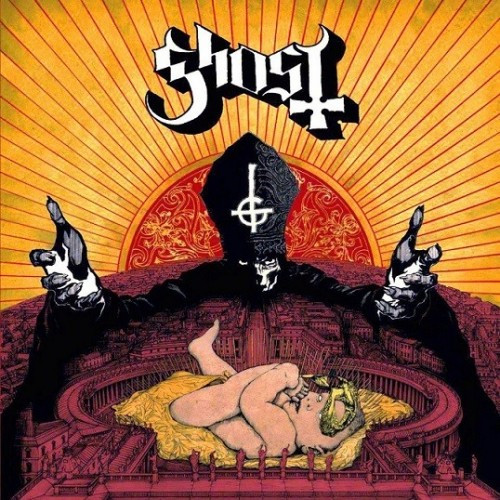
When I intend to listen to an album with the thought of reviewing it, I usually avoid reading other reviews. I want to form my own impressions based solely on the music and pick my own words to describe it; this may explain why my reviews leave so much to be desired. However, I read several reviews of Ghost’s new album Infestissumam before hearing it, because I wasn’t thinking about reviewing it for this site. After all, the music is barely metal, if it’s metal at all. Also, it has actual singing in it.

The reviews I read weren’t in mainstream publications or on mainstream sites, though Infestissimum has been reviewed in plenty of those places. I was reading reviews on metal blogs. I couldn’t help but notice that even most of the positive reviews had a defensive or apologetic tone, a kind of “they’re good for what they do, as long as you’re not expecting X, Y, or Z”. And the negative reviews panned the album for not having enough X, Y, or Z — whatever the reviewer was demanding but couldn’t find in the music, such as heaviness or gripping riffs.

Some of the negative reviews came from people who seemed to really like Ghost’s first album, Opus Eponymous. This later puzzled me after I listened to Infestissimum, because it’s not like the band made some kind of radical course change without putting on the turn signal.  I don’t think it’s different enough from the first album to turn praise into a pan.

I began to have a sneaking suspicion that Ghost had become the victim of a combination of two things that don’t go over very well here in the underground: success and gimmickry. Continue reading »

Apr 292013
 

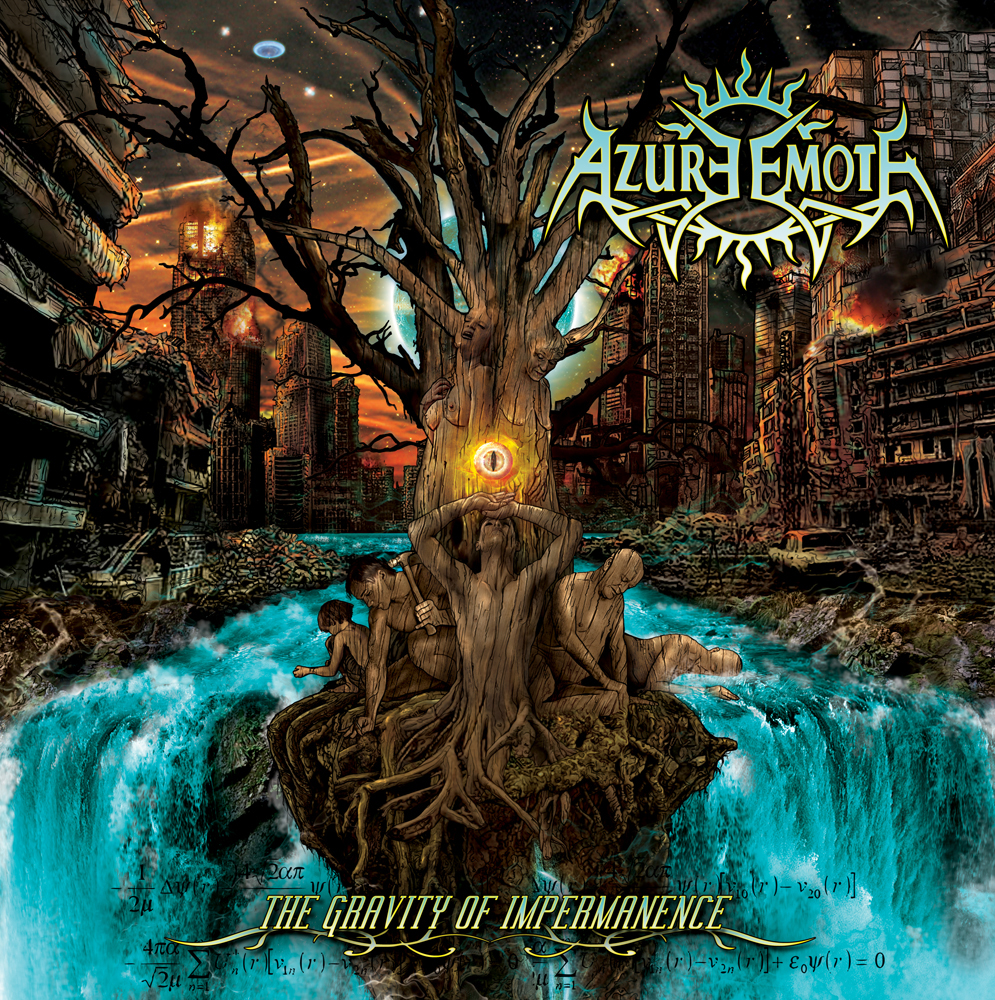
(NCS contributor Austin Weber provides this review of the second album released earlier this month by Philadelphia’s Azure Emote.)

As far as death metal supergroups go, Azure Emote certainly has not only a killer line-up but more importantly a willfull intent to make music outside the confines of their genre, an aim they achieve by taking death metal hostage and lifting it to unconventional heights of sonic ecstasy.

The Gravity of Impermanence is largely the brainchild of vocalist Mike Hrubovcak (Monstrosity, Vile), who brings more then just potent beastly roars to the table. He is responsible for the electronic elements — ranging from keyboards to diverse orchestral synths and electronica — on all but three of the tracks, and he also contributes some creepy harmonica playing to the sounds of pigs being murdered on “Sunrise Slaughter”.  The way the electronic elements build up the music and flourish instead of being an afterthought is a large part of what gives The Gravity Of Impermanence such a unique identity for a death metal record.

All this talk of keyboards is not to imply that guitarist Ryan Moll (Rumpelstiltskin Grinder, Total Fucking Destruction) is lacking. He isn’t. He lays down a plethora of razor-sharp, heavy-as-hell riffs, colorful leads, and spiraling solo’s. A lot of his riffs subtly remind of old school death metal, though I had a hard time pinning down who I thought they sounded like. Rounding out the trio is the always fantastic Mike Heller (Malignancy, Fear Factory), whose steady blasting and interesting patterns strongly drive the rhythm section into overload, enhancing both the mid-paced moments and the faster, all-out assaults. Continue reading »

Apr 292013
 

(In this post DGR reviews the new album by Sweden’s October Tide, which is out now via Pulverised Records and available on Bandcamp.)

October Tide can’t seem to catch a break, can they? Even after pulling off the miraculous feat of resurrecting the band and releasing a pretty good comeback disc, they still wind up losing two members in vocalist Tobias Netzell and bassist Pierre Stam. Granted, those two eventually went on to release In Mourning’s The Weight Of Oceans (which was my overall album of the year last year), so all was not lost, but it was a little bit worrying that we might never hear October Tide’s brand of funeral doom again. However, the band pulled off wrangling in two new musicians and now October Tide have returned again – never to be discouraged by their issues with lineup shifts – to release Tunnel Of No Light, a much darker, more melancholic take than its predecessor A Thin Shell.

The moodiness that this album conveys seeps its way into everything, including the artwork – which is probably one of the best representations of the listening experiences of both the group’s most recent discs. Whereas A Thin Shell seemed to find a frail beauty in its depression, Tunnel Of No Light is what happens when more hopeful things that may have been hinted at previously don’t work out. It is a disc so bludgeoning and overbearing in its sadness and gloom that by the end of the album the listener almost feels like the husk portrayed on its cover. Continue reading »

Apr 252013
 

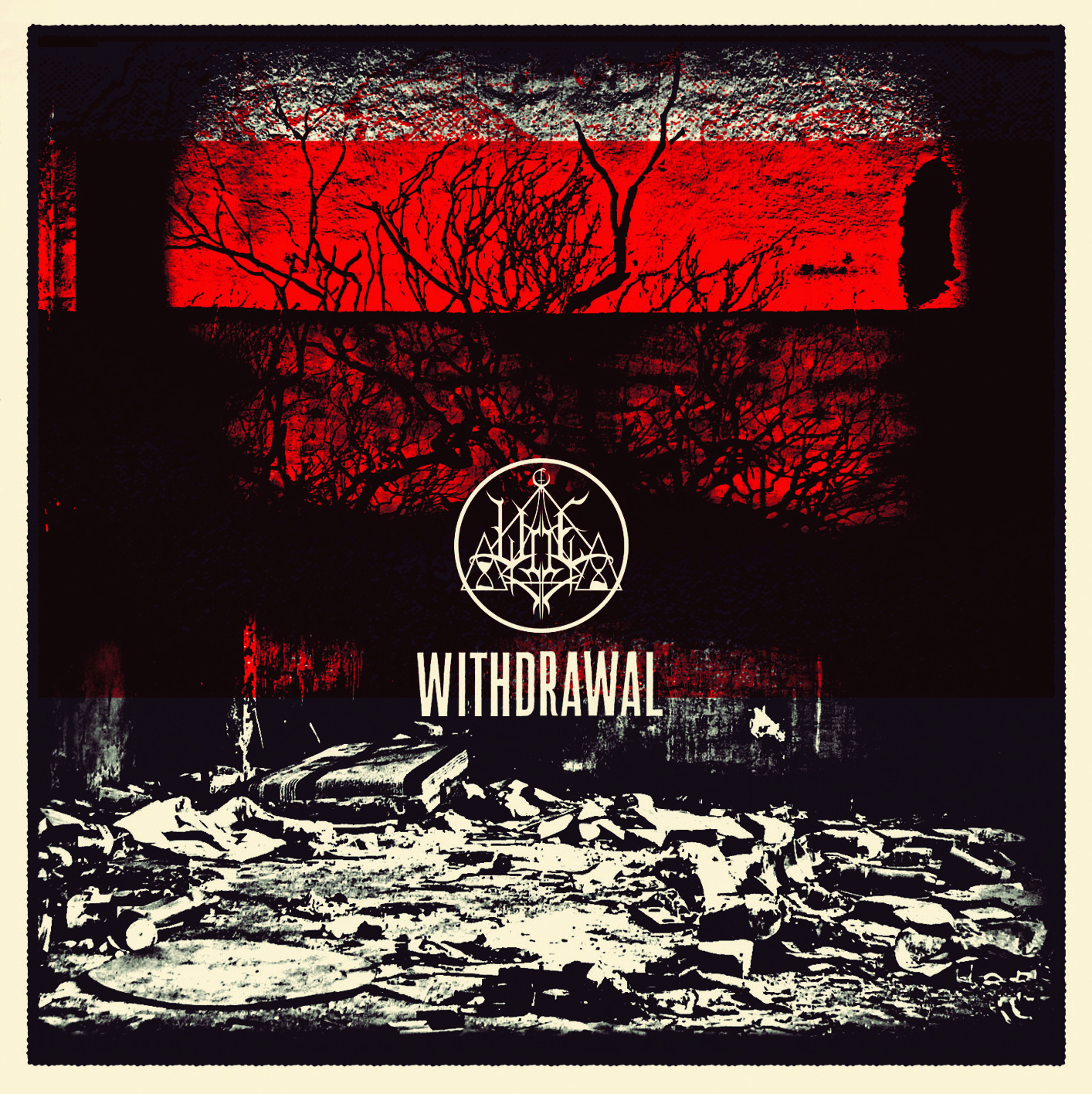
There’s a sense of urgency that pervades Woe’s new album Withdrawal, the kind of urgency you might feel if an arsonist threw a gasoline bomb through your bedroom window at 3 a.m. Which is to say, it’s scorching, and it delivers the kind of adrenaline rush triggered by the fear of being burned alive. Speaking of being burned alive, Chris Grigg shrieks his way through the album as if that’s what was happening to him, crying out in astonishing pain or rage, or maybe both, his vocal chords seared by emotion until surely they reached the limits of their endurance by the time recording ended.

I don’t know about you, but I’m perfectly happy listening to music that sounds like it’s been fueled by an accelerant. The cathartic effect of hailstorm riffs and blasting drums coupled with barely human screams is a pearl of great price, even when I remember nothing of the experience after the fire has been extinguished. But if that’s all Withdrawal offered, it wouldn’t be one of the best black metal albums of the year — and it is.

Even on the first listen to the first song, it began to dawn on me that there would be surprises in store on Withdrawal. I began to anticipate them in each song, and I wasn’t disappointed. In both small and large ways, the music pushes beyond the boundaries of conventional black metal (and yes, by now what was once revolutionary has become conventional), warping the form into something not merely cathartic but also fascinating, and ultimately quite memorable. Continue reading »

Apr 252013
 

(Andy Synn reviews the new album by Ireland’s Altar of Plagues.)

“Nothing endures but change.” – Heraclitus of Ephesus

This maxim holds as true today as it ever did, and it’s one that Altar Of Plagues seem to have taken to heart with Teethed Glory And Injury, their third full-length album.

Previous records, both EPs and albums, conjured a sense of dramatic, living decay. The lengthy songs pulsed with a heartbeat of draining entropy, a shadowy warmth, and a visceral, elemental feeling of life – albeit a life in inevitable decline. But at some point even entropy has its end. Every decline reaches its conclusion. Nothingness. Nullification. Void. What comes after?

Teethed Glory and Injury is a rebirth unlike any other. This is no phoenix-like triumph, no glorious resurrection. It is a cold, malevolent awakening. A sound born from the other side of nothing. Continue reading »

Apr 242013
 

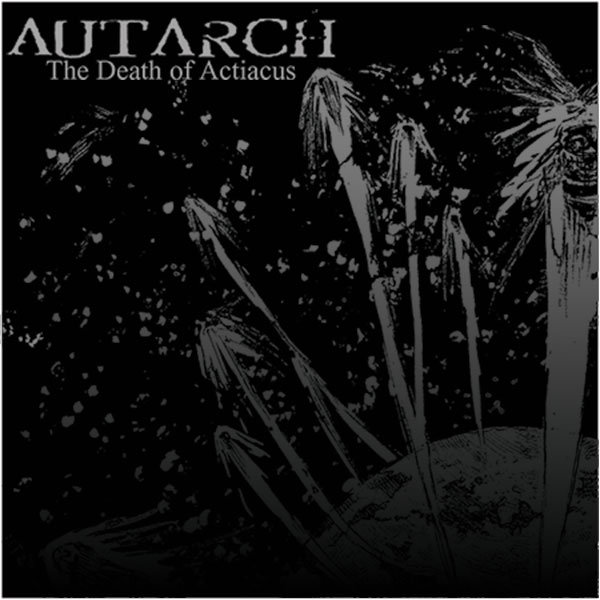
When I reviewed Autarch’s self-titled debut EP last August, I wrote that it was “plenty good as it stands, but it may be even more significant for the promises it holds of even more interesting music to come.” The time has arrived to find out whether the band have made good on those promises, because they’ve just released their first album, The Death of Actiacus.

What interested me about Autarch’s EP was the largely successful way in which they combined the grit and aggressiveness of crust-punk with the atmospheric, guitar-driven melodies of post-rock. It’s a combination that’s still at the core of their sound on the new album, but the songs are even better written and better performed, and they’ve pushed the potential of the juxtaposition even further. The result is a memorable and compelling experience.

With songs of above average length, Autarch have given themselves room to expand and to explore the dynamic contrasts in the styles to which they’ve dedicated themselves. Take the third song, “Comarre”, as an example. It begins with head-gripping guitar-picking, an infectious beat, and a shimmering melody that gets you nodding in an ethereal flow. The music builds in volume and intensity — and then the guitars really bite down and sink their teeth into your neck, the pace eventually accelerating and the rhythms transitioning into a punk stomp, the guitars kicking up both dirt and light as the vocalist lets go in a hoarse bark. Continue reading »

Apr 242013
 

(Our man BadWolf reviews the new album by Norway’s Kvelertak.)

Spring ’13 brought with it a bumper-crop of highly-anticipated follow-ups to albums I loved in 2010, and perhaps not one of those records came with higher expectations than Kvelertak’s Meir, the followup to their self-titled debut.

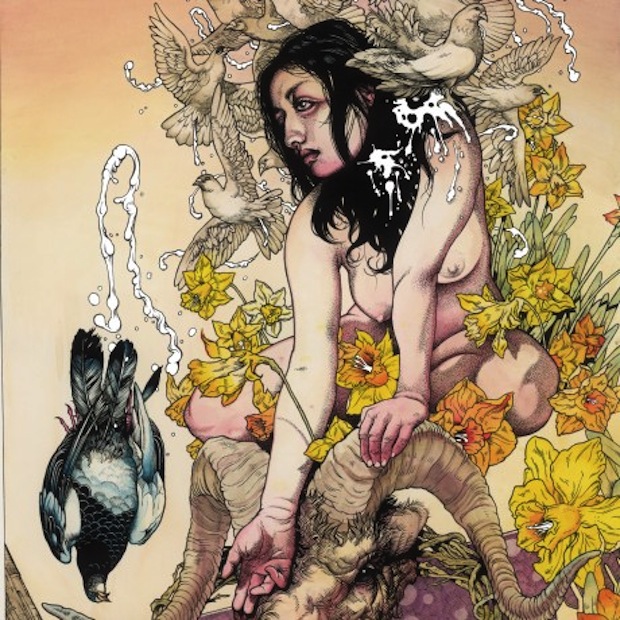
If you missed the boat, Kvelertak’s bizarre and infectious mix of black metal, hardcore punk, and classic rock blew through the internet, and later the international tour circuit, like a storm, complete with professional endorsements from respected musicians like Baroness mastermind John Dyer Baizley (who painted the covers to both their debut and Meir) and Converge guitarist/master-producer Kurt Ballou (who produced both records).

Let’s put this in perspective: Four years ago this band was a bunch of nobodies, and in 2013 they opened for Kiss in Norway. Kvelertak played support to Torche and Converge in the autumn of 2012 and are about to embark on a US headlining tour, playing after The Cancer Bats, a more senior band. Meir, a record sung in Norwegian, got love from mainstream blogs like Stereogum, and was released by Roadrunner who, lest we forget, puts out Nickelback records

As far as I’m concerned they deserve every ounce of praise and success they’ve received. Continue reading »